x

Until relatively recently, recreating a recognisable individual required significant production resources. Today, advances in generative AI can reproduce aspects of a person’s appearance or voice with increasing realism and at rapidly reducing cost.
That creates considerable opportunities. It also introduces difficult questions for public figures, performers, estates, foundations, families and licensing organisations responsible for protecting an individual’s identity and reputation.
Who can authorise an AI representation? What exactly is being licensed? How should someone’s voice or likeness be used? What happens as the technology evolves? And once permission has been granted, who remains responsible for ensuring the representation continues to reflect the individual appropriately?
These questions are increasingly being discussed using the term digital replica rights.
For rights holders considering conversational AI, understanding this developing landscape is important. But it is equally important to distinguish between the broad capability to digitally replicate aspects of a person and the creation of a carefully governed, officially authorised conversational experience.
However, the term digital replica is increasingly being used by governments and creative-industry organisations to describe digital content that realistically reproduces or mimics identifiable aspects of a real person, particularly their appearance or voice.
The UK Government’s 2026 Report on Copyright and Artificial Intelligence specifically considers AI used to replicate or mimic an individual’s appearance or voice and describes these representations as digital replicas. It recognises both their legitimate potential and the harm that can arise when an individual’s likeness is replicated without permission.
The technology itself is therefore not inherently problematic.
Authorised digital representations can support creative production, accessibility, translation, education, communication and new commercial opportunities.
A person’s appearance, voice and public identity can carry significant cultural, reputational and commercial value. For a living public figure that value may form part of an active career and licensing strategy. For an estate or foundation, it may form part of a legacy that has been protected for generations.
AI introduces a new dimension because a representation is no longer necessarily static.
It may speak.
It may answer questions.
It may generate new responses.
It may appear in contexts that were never contemplated when traditional photographs, recordings or archive footage were licensed.
The UK Government has recognised that existing protections do not address every circumstance in which realistic AI imitation may occur. Its March 2026 report states that it intends to explore further safeguards and commercial protections, including whether a new digital replica or personality right could be beneficial.
Digital replicas sit at the intersection of several different areas. Depending upon the circumstances, these can include copyright, performers’ rights, contract, passing off, trade marks, privacy and data protection, defamation and other protections.
The important point for rights holders is that copyright and identity are not necessarily the same thing.
A photograph, recording or film may be protected by copyright, but the copyright owner is not necessarily the person shown or heard within it. Similarly, simply imitating the characteristics of somebody’s appearance or voice does not automatically produce the same legal analysis as copying a protected photograph or recording.
The UK Government has specifically identified this complexity in its consideration of digital replicas.
For any particular proposed use, specialist legal advice should therefore be taken. This article provides general industry information rather than legal advice.
Unlike some jurisdictions, the UK does not currently provide one overarching statutory personality or image right covering every unauthorised use of an individual’s identity.
Different protections may nevertheless apply depending on what has been reproduced and how it is being used.
That fragmented position is one reason the Government is now examining whether additional protection is appropriate as realistic AI representations become more widespread. Its 2026 report acknowledges support for stronger control over image and voice while noting that there is not yet consensus about precisely what form a new protection should take.
For rights holders, the practical implication is straightforward: permission and contractual clarity should be established before an authorised AI representation is created, rather than relying on uncertainty afterwards.
Different jurisdictions approach identity rights differently.
In the United States, for example, publicity and related rights vary significantly between states. At federal level, the U.S. Copyright Office has separately examined digital replicas as part of its Artificial Intelligence initiative.
Part 1 of its Copyright and Artificial Intelligence report is devoted entirely to Digital Replicas, and the Office recommended federal protection against certain unauthorised digital replicas after identifying gaps in the existing legal landscape.
The direction of travel is therefore broader than any single country: as AI becomes increasingly capable of representing identifiable individuals, questions of consent and control are moving higher up the agenda.
Consent should not simply answer:
“Can we create this?”
It should also help establish:
What is being authorised? Where may it be used? For what purpose? Who can approve future applications? How long does permission last? What happens if the technology or proposed use changes?
This distinction is already visible within the creative industries.
SAG-AFTRA’s current digital-replica provisions, for example, emphasise written consent and a reasonably specific description of intended use for covered performers.
For rights holders, this illustrates an important principle.
An AI licence should not be treated as an unlimited technical permission simply because the technology is capable of doing many different things.
Capability and authorisation are different.
A well-defined authorised representation begins with an agreed purpose.
Responsibility may sit with an estate, family, foundation, licensing organisation or another party depending upon the rights involved and the relevant jurisdiction.
Different territories also provide different levels and durations of posthumous protection.
Industry arrangements increasingly recognise this issue explicitly. SAG-AFTRA, for example, has stated in relation to covered productions that consent may need to be obtained from the estate or other party controlling the relevant rights when a deceased performer is digitally replicated.
For organisations exploring an AI representation of a historic or iconic personality, establishing the appropriate authority at the beginning of a project is therefore fundamental.
At Ailias, nothing within an Official AI Partnership proceeds without appropriate rights and permissions.
A digital replica describes a capability to reproduce or mimic aspects of a person.
An Official Conversational AI Digital Human describes a governed interactive experience.
Ailias does not create unrestricted digital replicas intended to provide a transferable version of somebody for general use across films, games, advertising or uncontrolled generative-AI platforms.
We specialise in Official Conversational AI Digital Humans designed for approved interactive experiences.
That might allow museum visitors to ask questions of a historic personality, fans to converse with an officially authorised sporting icon, or audiences to continue exploring the knowledge of a respected public figure through natural conversation.
Creating that experience requires considerably more than reproducing appearance or voice.
It involves rights and permissions, verified knowledge, personality and behaviour, conversational boundaries, experience design, governance and continuing stewardship.
The objective is not simply to recreate someone.
It is to create an experience worthy of representing them.
Learn more about Official Conversational AI Digital Humans in the Rights Holder Guide
A Digital Human can generate thousands of interactions that were never individually scripted in advance.
That introduces responsibilities that do not exist in quite the same way with a photograph or pre-recorded film.
What does the Digital Human know?
Which sources are approved?
How should it respond when asked about a controversial subject?
How should humour, personality or personal opinion be represented?
Who decides when information should be updated?
Where is the experience permitted to appear?
How should new capabilities be introduced as AI evolves?
These are questions of stewardship.
The Ailias AI Stewardship Framework™ was developed to address that continuing responsibility. Every Official Conversational AI Digital Human follows a structured process spanning rights and permissions, historical research, visual authenticity, voice and performance, knowledge verification, behaviour and personality, experience design, governance and long-term stewardship.
Who controls or can authorise the relevant likeness, voice, source material and other rights?
What specific experience is being created and for whom?
Where and how may the representation be deployed?
Which information may the AI use and who verifies it?
How should the individual speak and behave?
Which subjects or behaviours are prohibited?
Who controls changes, additional applications and future updates?
How will conversations and performance be monitored?
Who remains responsible as content, audiences and AI capabilities evolve?
It is to work with the rights holders, estates, foundations, families and organisations already responsible for protecting an individual’s identity and reputation.
Through an Official AI Partnership, Ailias creates conversational Digital Humans specifically for approved interactive experiences.
Those experiences can then be developed across museums, visitor attractions, education, hospitality, sport, exhibitions, corporate environments and other agreed applications while operating from a consistent framework of permissions, knowledge and governance.
The opportunity is significant.
But so is the responsibility.
As realistic AI representation becomes easier to create, audiences may increasingly value something technology alone cannot provide:
certainty that the experience is authentic, authorised and accountable.
Digital replica rights remain a developing area.
Terminology will evolve.
Legislation may change.
New technologies and applications will emerge.
But one underlying principle is becoming increasingly difficult to ignore.
The ability to recreate aspects of a person digitally does not, by itself, establish the authority to represent them.
For rights holders, the next phase of AI is therefore not simply a technology decision.
It is a decision about identity, permission, governance and trust.
At Ailias, we believe the most valuable AI representations will be those built with the involvement of the people and organisations entrusted to protect them—and then stewarded with the same care long after the first conversation takes place.
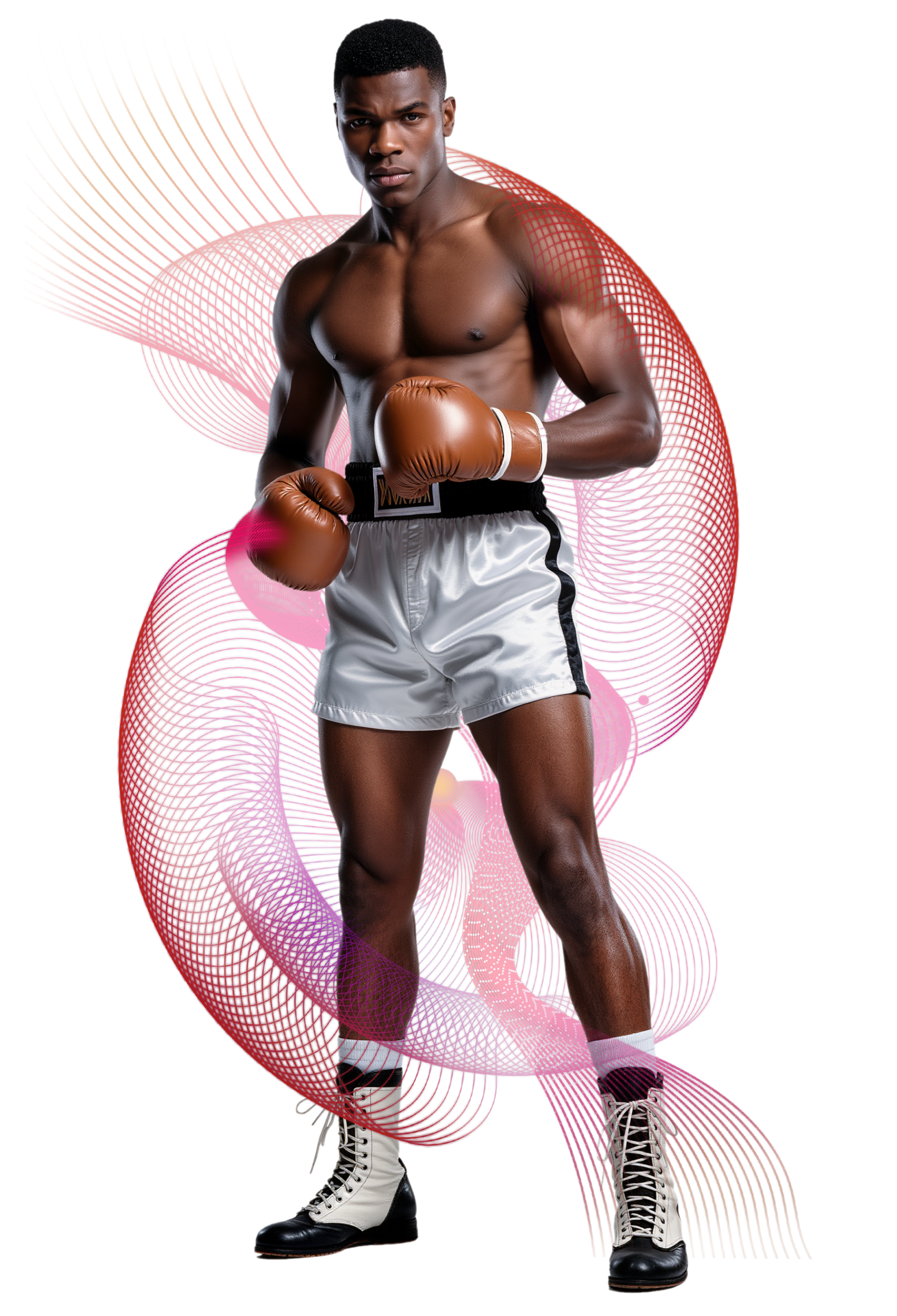
A digital replica generally refers to a digital representation that reproduces or mimics identifiable aspects of a real person, particularly their appearance or voice. Definitions vary between jurisdictions, legislation and industry agreements.
Not automatically simply because they reproduce someone's identity. Copyright may protect underlying photographs, recordings, performances or other works, while a person's likeness, voice and identity can involve additional legal and contractual rights. The position varies by jurisdiction.
The UK does not currently have a single general personality right covering every use of a person's identity. In its March 2026 Copyright and AI report, the UK Government said it would explore additional protections, including whether introducing a new digital-replica or personality right would be beneficial.
Consent helps establish not only whether an AI representation may be created but its intended purpose, scope of use, approvals and how that representation may evolve in future.
No. Ailias specialises in Official Conversational AI Digital Humans designed for carefully governed interactive experiences. We do not create unrestricted digital replicas intended for general use across films, games, advertising or uncontrolled generative-AI platforms.
A digital replica broadly describes the reproduction or mimicry of aspects of a person's appearance or voice. An Ailias Official Conversational AI Digital Human is an authorised interactive representation developed specifically for conversation within defined environments and governed around approved knowledge, behaviour, permissions and ongoing stewardship.
We’re here to help. 👉 Contact our team to discuss an Official Digital Legacy Partnership.