Museums and Cultural Attractions
Museums use AI hologram systems to create interactive historical characters that tell stories and answer visitor questions. These installations transform static exhibitions into immersive storytelling environments.

Artificial intelligence and immersive display technology are converging to create a new generation of communication systems known as AI hologram systems. These systems combine conversational artificial intelligence with holographic displays to create interactive digital humans capable of communicating with audiences in real time.
Unlike traditional hologram displays that simply play prerecorded visuals, interactive AI hologram systems enable audiences to ask questions, explore information and hold conversations with holographic digital characters.
This capability is transforming how organisations present information in public environments such as museums, exhibitions, retail spaces and corporate installations.
To understand pricing, see our guide to hologram rental cost UK.
As immersive technologies continue to advance, AI hologram systems are emerging as one of the most powerful tools for interactive communication and storytelling.
An AI hologram system is an integrated technology platform that combines artificial intelligence, digital human rendering and holographic display technology to create interactive holographic characters.
These systems are designed to present life-size digital humans capable of communicating with audiences using natural conversation.
Together these technologies enable a holographic digital human to listen to questions, interpret their meaning and respond in real time.
This makes AI hologram systems fundamentally different from traditional holographic displays, which typically function as passive visual media.
Learn more about how human holograms work…
Understanding how an AI hologram system works requires examining the technologies that power these interactive installations.
The core of an AI hologram system is a conversational AI engine.
This software enables the holographic character to understand questions and generate appropriate responses.
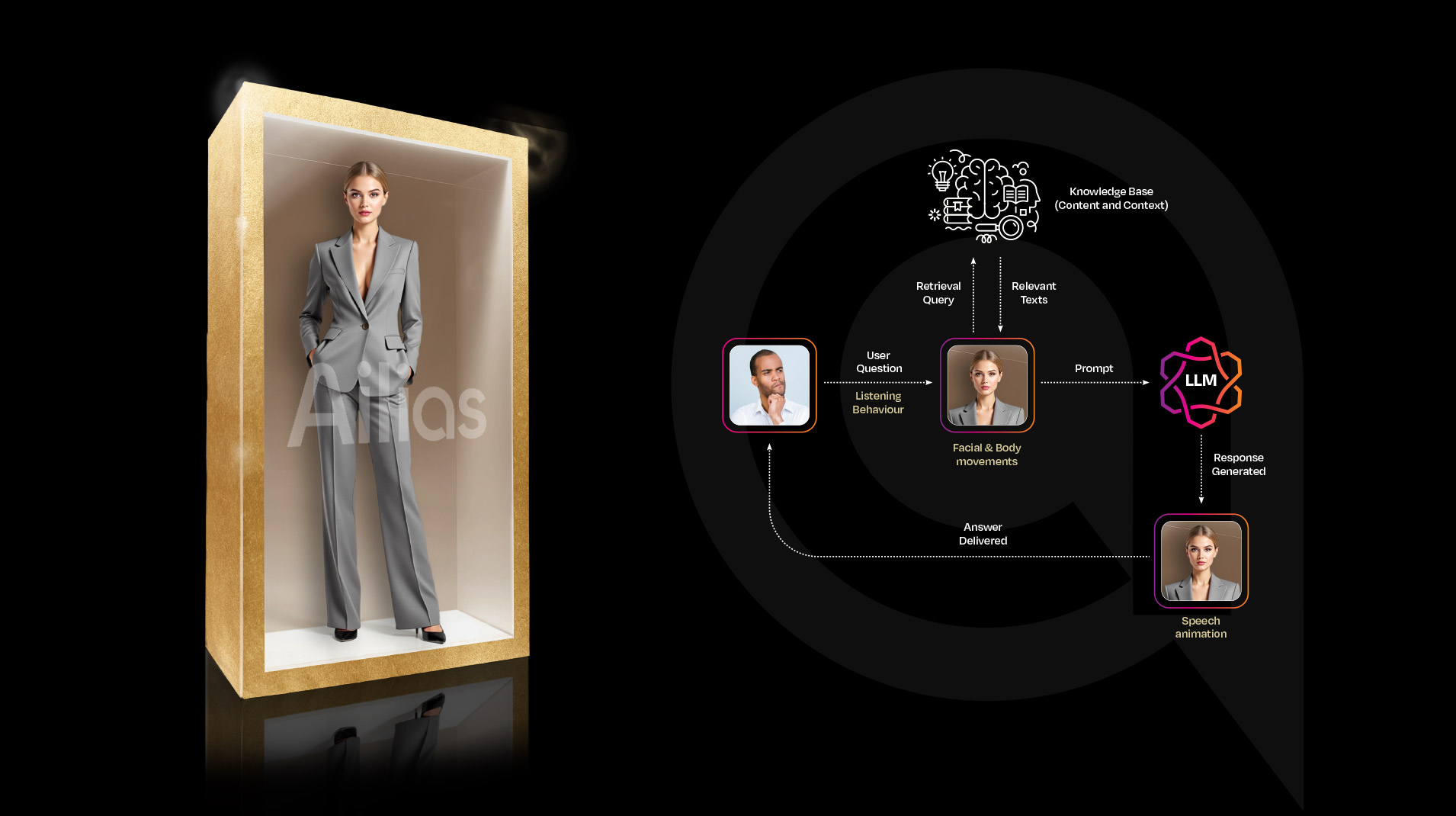
When a visitor asks a question, the system performs several steps:
1. Microphones capture spoken audio
2. Speech recognition converts audio into text
3. Natural language processing analyses the question
4. The AI system generates a response
5. Voice synthesis converts the response into speech
This entire process occurs within seconds, allowing the holographic character to respond naturally.
Conversational AI technologies are increasingly used across industries to enable machines to communicate with people through natural language.
AI hologram systems rely on a knowledge base that contains the information the digital character can discuss. This knowledge base may include:
Museums
Historical archives, exhibition content and artefact descriptions.
Events and Exhibitions
Product specifications, company information and presentation material.
Retail
Product catalogues, brand information and promotional content.
Because the conversational AI is trained on this knowledge base, the holographic assistant can provide detailed answers to visitor questions.
The visual component of the system is created using holographic display technology.
These displays create the illusion of a three-dimensional digital human standing inside the installation environment.
Different holographic display technologies can be used, including:
1. Reflective holographic projection systems
2. Transparent display illusions
3. Volumetric displays
4. light-field display technology
These systems allow audiences to view the digital human without wearing headsets or special glasses.
The demand for holographic display technology is growing rapidly. Market research indicates the global holographic display market is expected to grow significantly as industries adopt immersive visual technologies.
AI hologram systems rely on advanced digital human technology to create realistic characters. This includes:
These technologies allow holographic characters to display natural facial expressions and body movement.
To create a convincing interaction, the holographic character must move naturally. Real-time animation systems synchronise:
These animations are triggered dynamically based on the AI-generated speech. The result is a lifelike digital human capable of communicating naturally with audiences.
AI hologram installations often include sensors that detect audience presence. These may include:
These sensors allow the hologram system to detect when someone approaches and begin interaction automatically.
Many organisations exploring hologram technology first encounter visual display systems designed primarily for marketing or signage. These displays can create impressive floating visuals but usually function as passive media displays.
Typical capabilities include:
While visually striking, they do not respond to visitor input.
AI hologram systems introduce real-time communication. Visitors can:
Because the AI system generates responses dynamically, each interaction can be unique.
This ability to communicate directly with audiences is what distinguishes interactive AI hologram systems from traditional holographic displays.
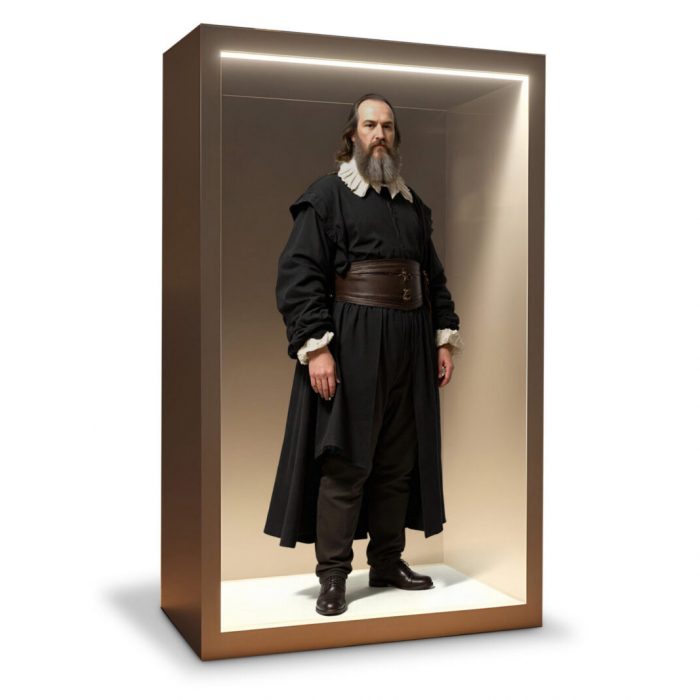
Museums use AI hologram systems to create interactive historical characters that tell stories and answer visitor questions. These installations transform static exhibitions into immersive storytelling environments.
Trade shows and conferences use holographic presenters to greet visitors and explain products. Because holographic characters attract attention, they can significantly increase engagement at exhibition stands.
Retailers are experimenting with AI hologram assistants that welcome customers and explain products. These systems can provide information continuously throughout the day.
Companies are using AI hologram systems for presentations, training and internal communication. Digital human presenters can deliver consistent information to large audiences.
Several trends are driving interest in conversational hologram technology.
Modern audiences expect interactive experiences rather than passive displays. Technologies that combine conversation with immersive visuals create stronger engagement.
Recent developments in conversational AI allow digital humans to understand complex questions and respond naturally. This makes interactive hologram systems more practical than ever before.
Immersive display technologies are expanding rapidly across industries such as entertainment, retail and education. The global immersive display market will continue to grow as organisations adopt interactive experience technologies.
At Ailias, the technology powers the interaction — but the character creates the experience.
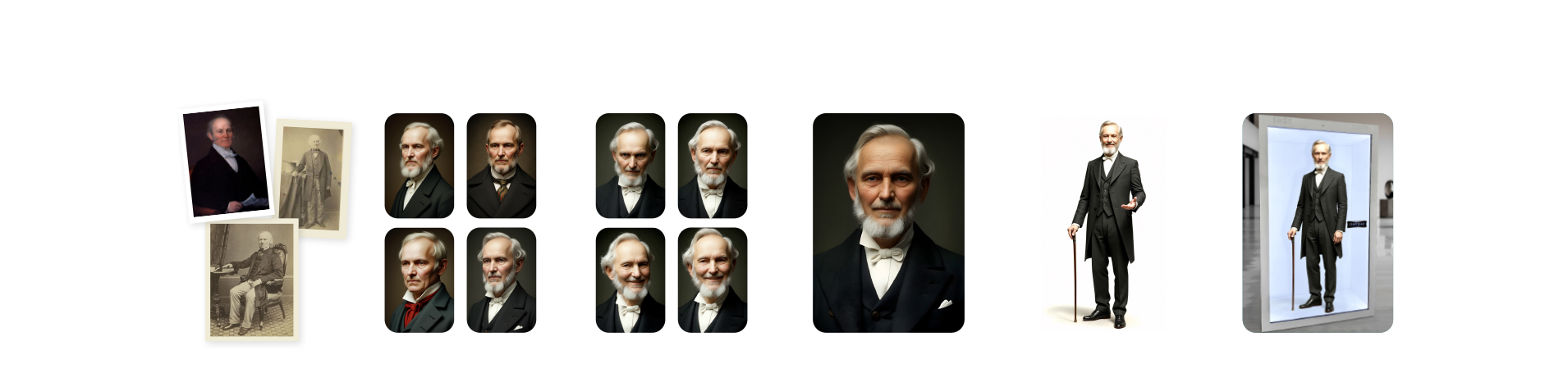
We design every hologram with a focus on realism, personality and performance, combining digital human design, voice development and behavioural modelling to create authentic, engaging interactions.
Because ultimately, the success of a conversational AI hologram depends on one thing:
how human it feels.
As digital identity technology evolves, increasingly human-like avatars and photo-realistic digital replicas are becoming central to how audiences experience digital interaction. Research from the World Economic Forum highlights how embodied digital entities that replicate human behaviour are enabling more immersive, intuitive and emotionally engaging experiences.
Conversational AI holograms represent the next evolution in digital communication. By combining artificial intelligence, holographic technology, and real-time interaction, organisations can create experiences that audiences remember long after the interaction ends.
Whether guiding visitors through history, presenting products at an exhibition, or welcoming customers in retail environments, AI hologram assistants create powerful human-like engagement. If you are exploring conversational hologram technology for your organisation, Ailias can help design and deploy a fully interactive AI hologram experience tailored to your needs.
Ailias develops interactive conversational AI hologram systems designed for museums, exhibitions, retail environments and corporate installations.
Our systems combine conversational AI, digital human technology and immersive holographic displays to create lifelike digital presenters capable of interacting with audiences in real time.
By combining artificial intelligence with immersive display technology, Ailias enables organisations to create powerful interactive communication experiences
AI hologram technology is evolving quickly as advances in artificial intelligence and graphics rendering continue.
These developments will enable holographic assistants to communicate with audiences even more naturally.
As immersive technologies continue to evolve, AI hologram systems are likely to become increasingly common in environments where organisations need to communicate with large audiences.
We offer a variety of fully conversational AI human hologram solutions as permanent installations or for rental. We can create any brand ambassador or corporate legend, and deliver and install for any application. Start a conversation with Ailias and let us bring your legend to life.
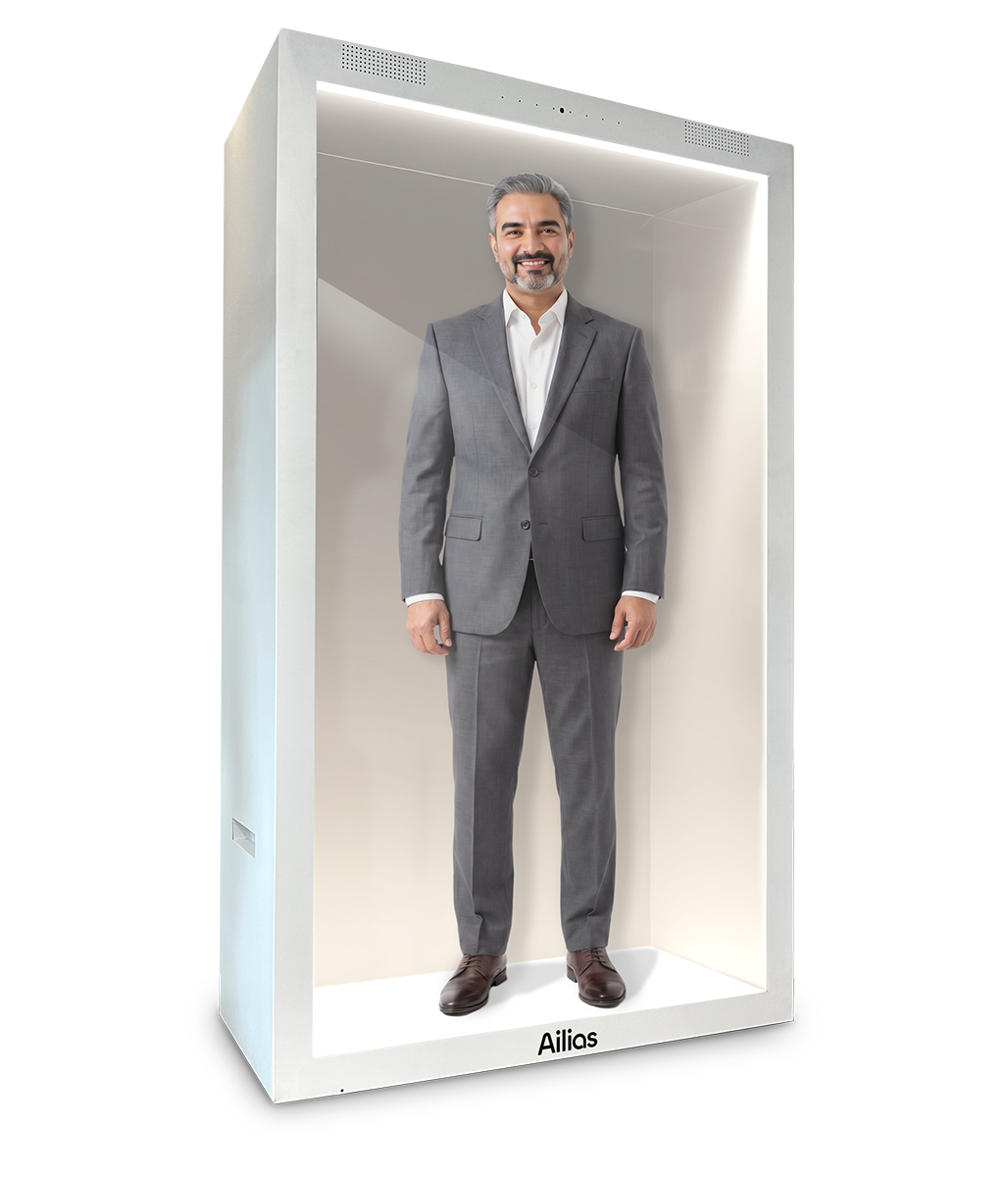
An AI hologram system combines conversational artificial intelligence with holographic display technology to create interactive digital humans capable of communicating with audiences.
They use speech recognition, conversational AI, digital human animation and holographic displays to enable real-time interaction with visitors.
A hologram display typically shows prerecorded visuals or animations, while an AI hologram enables real-time interaction. Conversational AI holograms allow users to ask questions and receive responses, making them more suitable for engagement, education and communication.
They are used in museums, exhibitions, retail environments and corporate installations to create immersive communication experiences.
Yes, conversational AI holograms can operate continuously without scheduling constraints. This makes them ideal for environments such as exhibitions, retail spaces and public installations where consistent availability is important.
Advances in digital human technology mean AI holograms can appear highly realistic, with natural facial expressions, movement and speech. The level of realism depends on character design, animation quality and voice development.
The cost of an AI hologram depends on the display technology, level of interactivity and degree of customisation required. Installations can range from short-term event deployments to fully customised permanent systems.
Come and meet us at the Museums & Heritage Show, Olympia, May 13-14