
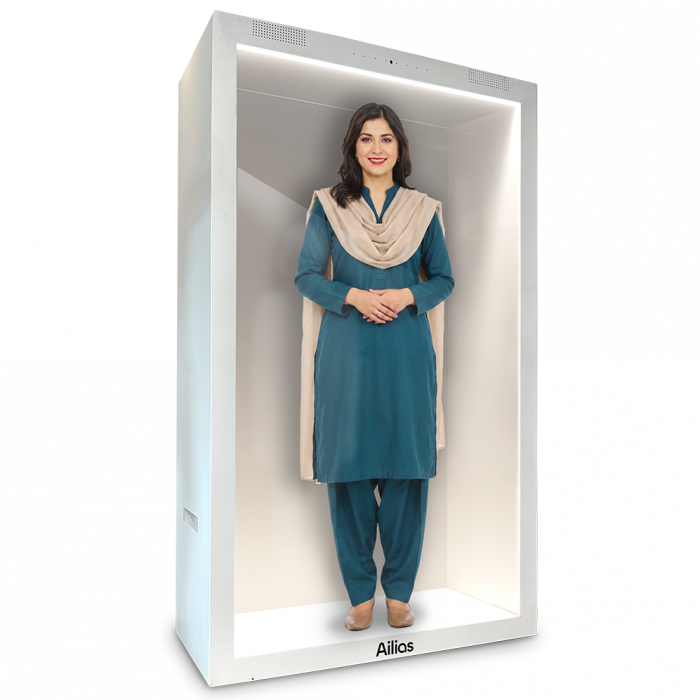

If you’re exploring hologram technology for retail, events or public spaces, you’ve likely come across Hypervsn—a globally recognised provider of holographic display systems.
Known for its fan-based holographic displays and large-scale visual installations, Hypervsn is widely used to create eye-catching, motion-driven content in physical environments.
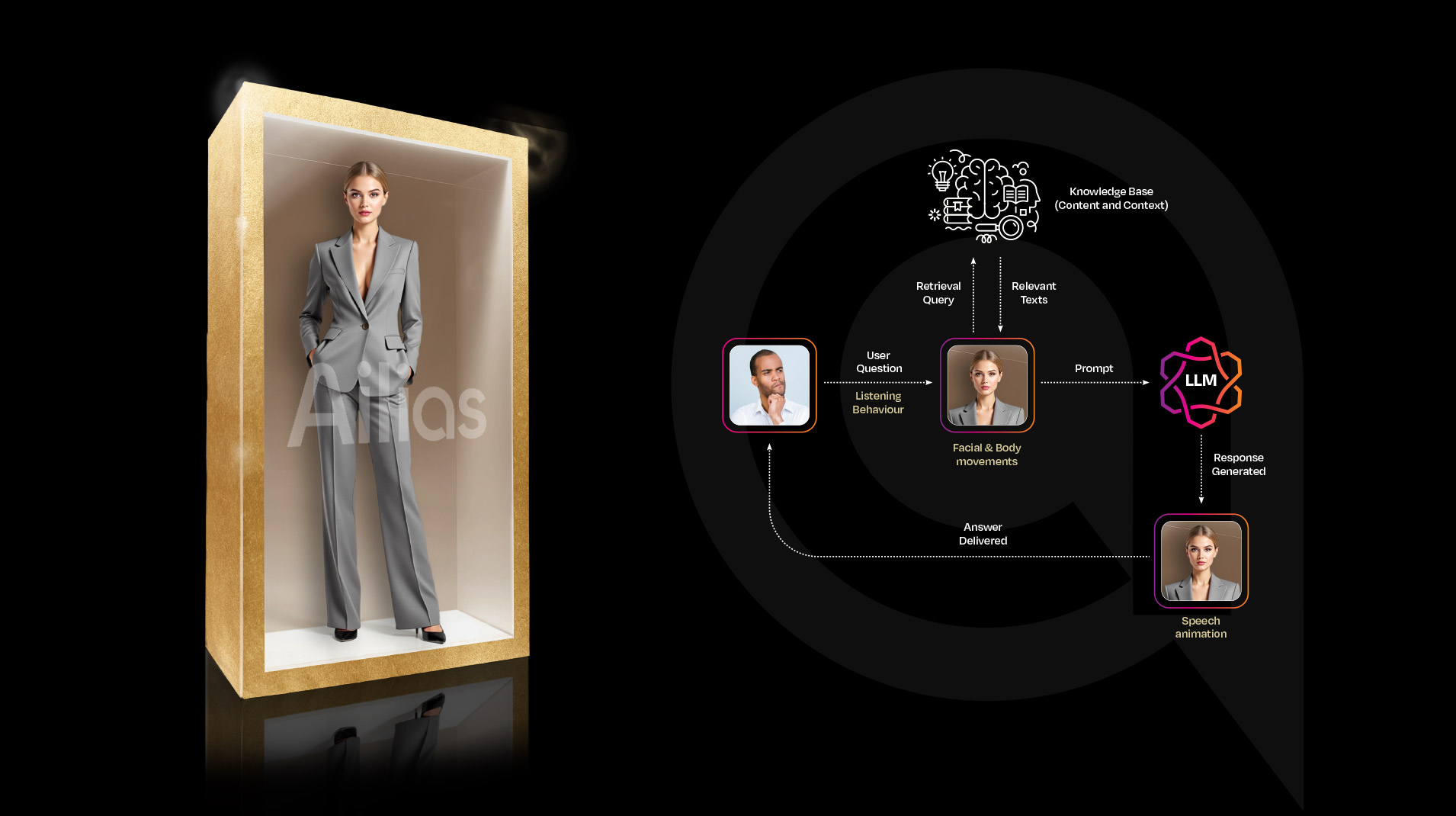
At the same time, hologram technology has evolved—introducing AI-powered human holograms that enable real-time interaction and engagement.
This guide explains:
Hypervsn is best known for its holographic display technology, particularly its “fan-based” visual systems used in retail, events and digital signage.
The experience typically focuses on:
Important Note on Terminology: Hypervsn is a company offering holographic display solutions..
This page provides a general comparison of hologram technologies and alternative approaches, focusing on how different types of experiences are delivered.
While display-led systems remain effective for visual communication, the category has expanded to include:
This has created a new category:
primarily visual, content-driven
real-time conversation and interaction
pre-designed or animation-led content
dynamic, AI-generated responses
hardware-led installations, often campaign-based
experience-led deployments, often ongoing
captures attention at scale
enables deeper, one-to-one engagement
Many hologram systems rely on visual display technology, but the key difference lies in how the experience is powered:
When comparing hologram solutions, it’s also useful to look at other display-based systems. For example, many organisations evaluating fan-based or contained display formats also explore solutions such as Holobox-style units. You can see how these approaches compare in our guide to a Holobox alternative.
This enables:
The result is a human-like interactive experience, rather than a static display.
The right solution depends on your objective:
If you’re exploring alternatives to Hypervsn and want to create more interactive, human-led experiences, Ailias can help.
Hypervsn is typically used for holographic display systems in retail, advertising and events, focusing on visual content and attention-grabbing installations.
Alternatives include AI-powered hologram systems that enable real-time interaction and conversational engagement, rather than purely visual display.
They serve different purposes. Display systems are ideal for visibility, while AI holograms are better suited for engagement and interaction.
Yes. AI-powered holograms can respond to users in real time, enabling conversation and personalised experiences.
Costs vary depending on setup and duration. You can explore typical pricing in our guide to hologram rental costs in the UK.
Come and meet us at the Museums & Heritage Show, Olympia, May 13-14