
AI Holograms for Museums: The Future of Interactive Storytelling
AI Holograms for Museums: The Future of Interactive Storytelling
Museums have always sought new ways to bring history, science and culture to life. From traditional displays and artefacts to immersive digital installations, museums continuously evolve to create engaging experiences for visitors.
Today, a new generation of technology is transforming museum storytelling: AI holograms.
By combining artificial intelligence with immersive holographic displays, museums can now present interactive historical holograms capable of answering questions and holding real conversations with visitors.
These conversational digital humans are changing how audiences experience history, allowing visitors to engage directly with historical characters, museum guides and digital storytellers.
As visitor expectations shift toward more immersive and interactive experiences, AI hologram museum exhibits are rapidly becoming one of the most powerful tools for modern museums.
What Is an AI Hologram Museum Exhibit?
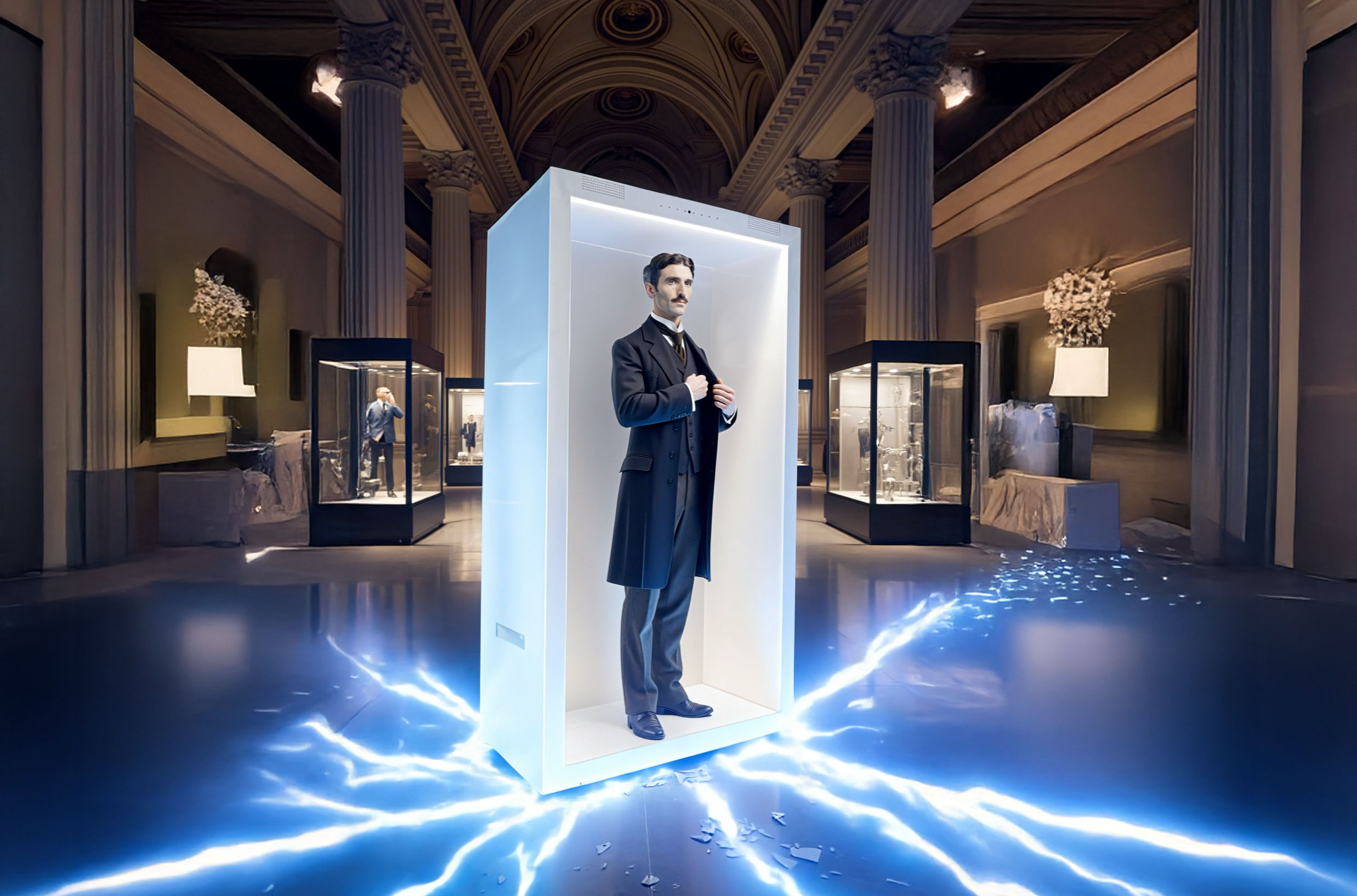
An AI hologram museum exhibit is an interactive installation that uses artificial intelligence and holographic display technology to present a digital human capable of communicating with visitors.
Unlike traditional hologram displays that simply show prerecorded video, an AI hologram can:
- answer visitor questions
- explain historical events
- tell stories about artefacts
- guide visitors through exhibitions
This is made possible by combining conversational AI with holographic digital human technology.
Visitors can speak directly with the holographic character, creating a natural conversation rather than a one-way presentation.
The result is an interactive museum hologram experience that transforms passive exhibits into engaging dialogue-based storytelling.
Why Museums Are Adopting AI Hologram Technology
Museums around the world are exploring new ways to capture attention and make learning more engaging.
AI hologram technology offers several unique advantages.
1. Bringing Historical Figures to Life
One of the most powerful applications of conversational hologram technology is the recreation of historical figures.
Instead of reading about a historical person on a plaque, visitors can speak directly with a digital version of that figure.
For example, a museum could present a holographic scientist explaining their discoveries, or a historical leader discussing important events from their perspective.
This type of interactive historical hologram exhibit creates a far deeper emotional connection with visitors.
2. Creating Interactive Museum Guides
Museums often rely on human guides or audio tours to help visitors understand exhibits.
However, staffing constraints and visitor numbers can make it difficult to provide personalised guidance for everyone.
An AI museum guide hologram can assist visitors throughout the day, answering questions and providing explanations on demand.
Visitors can ask questions such as:
- What happened during this historical event?
- Why is this artefact important?
- How was this object used?
The conversational AI system processes the question and delivers an immediate response through the holographic character.
3. Increasing Visitor Engagement
Modern museum visitors expect experiences that are interactive and immersive.
Traditional displays, text panels and even video screens can struggle to hold attention in an age of digital media.
An interactive museum hologram creates a visually striking centrepiece that naturally attracts visitors.
Because people can speak directly with the hologram, they often spend more time engaging with the exhibit.
This increased engagement leads to:
- deeper learning
- more memorable experiences
- stronger visitor satisfaction
How AI Holograms Work in Museum Environments
A conversational AI hologram exhibit typically combines several technologies.
Conversational AI
At the core of the system is a conversational AI engine capable of understanding questions and generating responses.
This technology allows the holographic character to hold natural conversations with visitors.
The AI system is trained on a knowledge base containing information relevant to the exhibition.
Speech Recognition and Voice Interaction
Microphones capture visitor questions and convert them into text that the AI system can analyse.
Once the AI generates a response, the system converts the text back into speech using advanced voice synthesis.
The holographic character then speaks the response naturally.
Holographic Display Technology
The digital character is displayed using holographic projection systems designed to create the illusion of a life-size person standing within the exhibit environment.
This allows visitors to see and interact with a digital human hologram that appears physically present.
Character Animation
To make the experience realistic, advanced animation technology synchronises the hologram’s facial expressions, gestures and lip movements with the spoken dialogue.
This creates a lifelike interactive character capable of storytelling and conversation.
AI Holograms vs Traditional Museum Displays
Museums have experimented with many forms of digital media over the years, including projection mapping, video displays and touchscreen interfaces.
While these technologies can be visually impressive, they often remain one-way communication tools.
Traditional Museum Displays
- information panels
- video screens
- projection displays
- audio guides
These formats provide information but do not allow visitors to ask questions or interact dynamically.
AI Hologram Museum Exhibits
Conversational AI holograms create two-way communication.
Visitors can ask questions, explore topics in greater depth, and guide the conversation based on their interests.
This shift from passive observation to interactive dialogue is what makes AI holograms so powerful in museum environments.
Types of Museum Experiences Using AI Holograms
Museums are beginning to explore a variety of interactive hologram experiences.
Historical Character Conversations
Visitors can interact with holographic representations of historical figures.
These characters can answer questions about their lives, achievements and historical events.
Scientific Discovery Presentations
Museums focused on science and technology can use holographic digital humans to explain complex discoveries in accessible ways.
A holographic scientist could guide visitors through a scientific concept while responding to questions.
Cultural Storytelling
Cultural museums can use AI holograms to share stories about traditions, historical periods or important community events.
These storytelling experiences make cultural heritage more engaging for modern audiences.
Benefits of AI Hologram Exhibits for Museums
AI hologram technology offers several advantages for museum institutions.
Increased Engagement
Interactive holograms attract attention and encourage visitors to interact with exhibits.
Personalised Learning
Visitors can ask questions based on their own curiosity, creating a more personalised learning experience.
Accessibility
Conversational AI systems can provide multilingual support, helping museums communicate with international visitors.
Scalable Education
Unlike human guides, AI holograms can interact with visitors continuously throughout the day.
This ensures every visitor can access information whenever they choose.
The Future of Interactive Museums
The museum sector is increasingly embracing immersive technologies such as augmented reality, virtual reality and interactive installations.
Conversational AI holograms represent the next step in this evolution.
Future museum installations may include:
- entire galleries populated by digital historical characters
- interactive holographic guides that accompany visitors through exhibitions
- AI storytelling environments where visitors can explore history through conversation
These developments will transform museums into interactive learning environments where audiences engage directly with the past.
Conversational AI Holograms for Museums from Ailias
Ailias specialises in creating interactive historical hologram experiences designed for museums and cultural attractions.
Our conversational AI holograms combine advanced artificial intelligence with immersive holographic displays to create digital humans capable of answering questions, telling stories and guiding visitors through exhibitions.
These installations can be customised to represent historical figures, scientists, explorers or cultural storytellers.
By allowing visitors to speak directly with a digital character, Ailias holograms transform traditional museum displays into engaging interactive experiences.
As museums continue to evolve toward more immersive storytelling, AI hologram exhibits are becoming a powerful way to connect audiences with history, culture and discovery.
Frequently asked questions
An AI hologram museum exhibit uses conversational artificial intelligence and holographic display technology to create interactive digital humans that can answer visitor questions and explain historical topics.
They combine conversational AI, speech recognition and holographic displays to create digital characters that appear life-size and communicate with visitors in real time.
Museums use AI holograms to create immersive storytelling experiences that increase visitor engagement and allow audiences to interact directly with historical characters.