

Museums of the Future: Why Holograms Are the Next Big Exhibit Trend
Holograms in Museums – a Shift Towards Interactive Learning
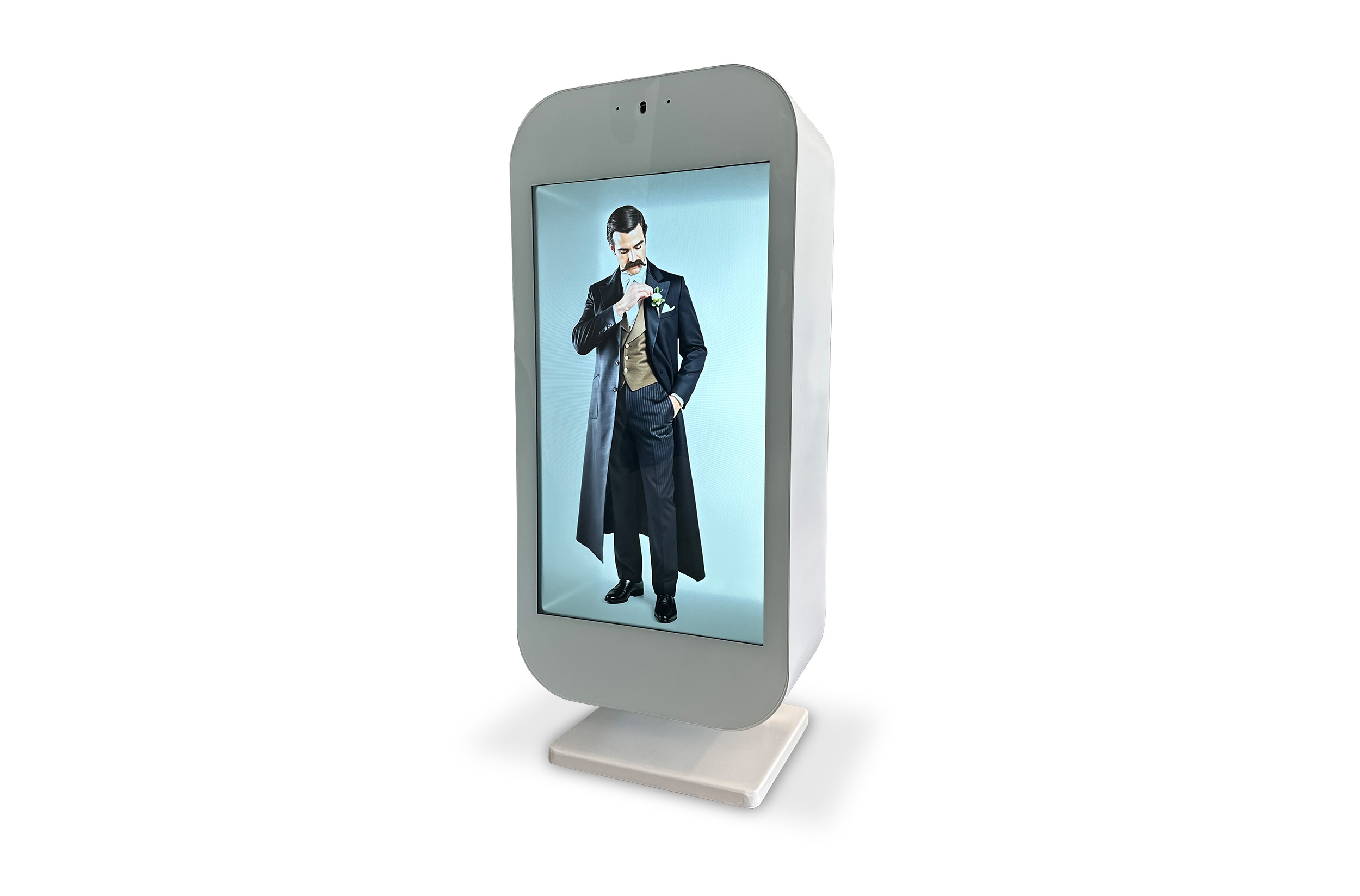
Museums across the UK and Europe are evolving—moving from passive displays to interactive, intelligent exhibits that deepen engagement and learning. Ailias holographic humans represent the next step in this transformation as the use of holograms in museums rapidly increases.
The Power of Conversation
Visitors don’t just watch—they ask questions. They connect emotionally. And they remember. Whether it’s a historical figure or a folklore storyteller, the AI responds in real time, making each interaction feel personal and powerful.
Perfect for All Audiences
Children, teens, adults, educators, and tourists alike are captivated by the novelty and realism of holograms in museums. These avatars are accessible, multilingual, and customisable for your institution’s themes and goals.
A recent overview emphasizes the rise of holographic projects that transform museums by letting audiences interact with historical content in 3D, highly realistic ways.
Industry thought pieces highlight that holographic projection enables the display of fragile or lost artifacts in immersive form—making it “the future of modern museum exhibitions”.
The use of holograms in museums is not just a technological novelty—it’s a powerful tool for storytelling and audience connection. By introducing holographic humans, artifacts, and immersive 3D visuals, museums can create exhibits that feel alive, engaging visitors in ways that traditional static displays often cannot. Imagine standing face-to-face with a life-size historical figure, asking questions, and receiving real-time responses. This type of interactivity transforms a passive museum visit into an unforgettable experience.
Recent studies demonstrate that immersive technologies significantly improve both visitor engagement and knowledge retention. A review of holographic learning applications found that 3D holograms stimulate curiosity and increase dwell time, leading to deeper cognitive and emotional impact. For museums and heritage sites, this means that audiences not only enjoy their visit but also leave with a stronger connection to the subject matter.
There are also tangible ROI benefits to adopting holograms in museums. Research into interactive exhibition technology shows that immersive displays attract repeat visitors and expand audience demographics by appealing to younger, tech-savvy audiences. Increased footfall, longer engagement times, and higher visitor satisfaction all translate into financial sustainability for institutions.
For curators and directors, holographic technology also solves a practical challenge: preserving fragile or rare artifacts. Instead of risking damage to priceless items, holograms allow museums to recreate them in stunning detail, ensuring global accessibility without compromising preservation.
As audiences demand more dynamic and participatory cultural experiences, holograms in museums are becoming not just the next big trend, but the defining feature of future-ready institutions. Museums that adopt this technology today position themselves as innovators, offering visitors an experience that blends education, inspiration, and wonder.
See how Ailias brings holographic exhibits to life in museums worldwide.
Bring your exhibits into the future.
Speak to us today about how a holographic character can become your next star attraction.