

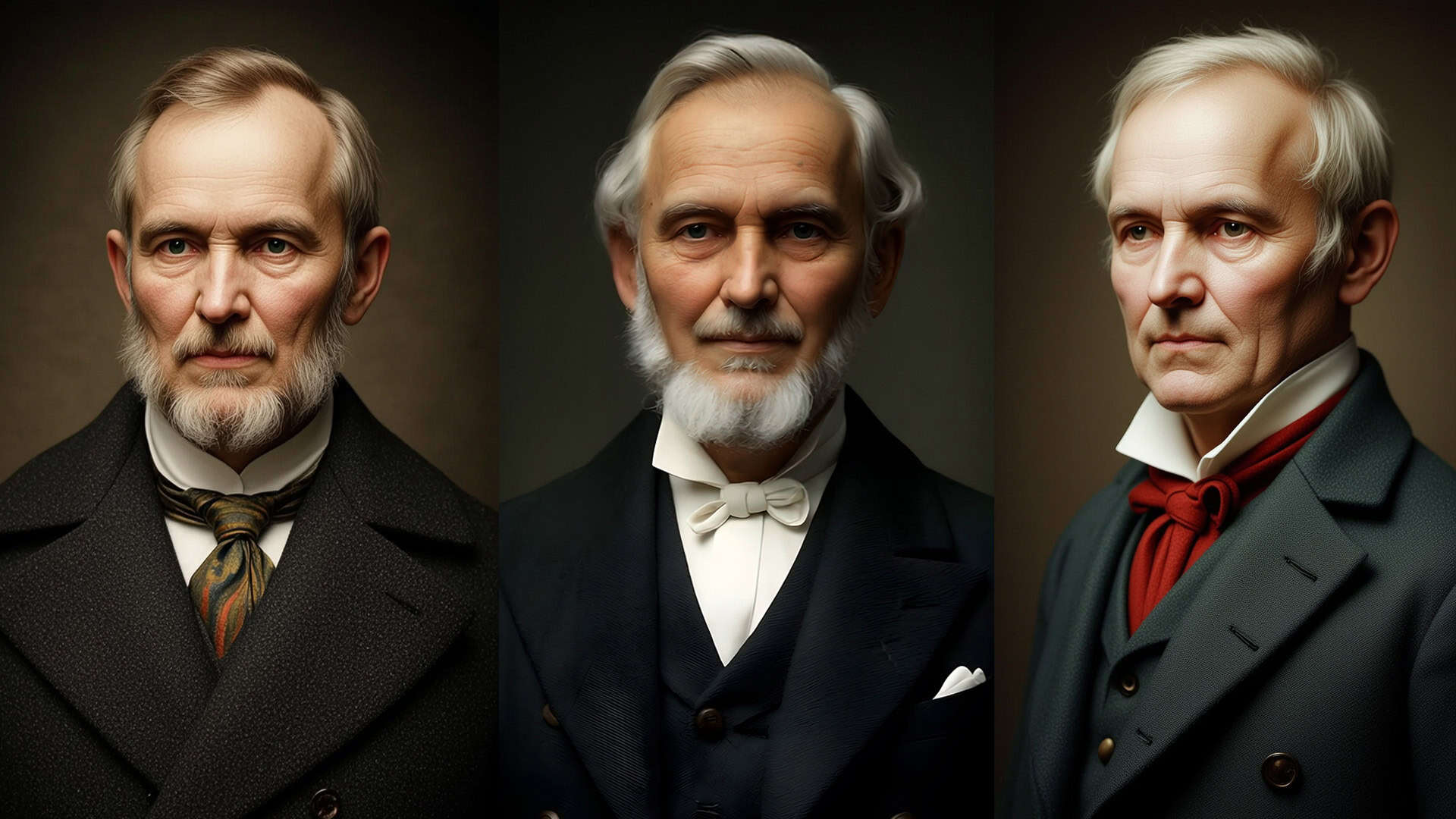
AI Humans vs AI Avatars: What’s the Difference?
AI Humans vs AI Avatars: What’s the Difference?
Artificial intelligence is rapidly transforming how organisations communicate with audiences. Two terms that appear frequently in discussions about AI-powered communication are AI avatars and AI humans.
Although the terms are sometimes used interchangeably, they describe two different approaches to creating digital characters powered by artificial intelligence.
AI avatars are typically screen-based digital characters, often used in apps, websites or virtual environments. AI humans, on the other hand, represent a more advanced evolution of this technology, where artificial intelligence is combined with realistic human representation and immersive display technologies such as conversational AI holograms.
Understanding the difference between AI avatars and AI human holograms is important for organisations exploring interactive technologies for museums, events, retail environments and customer experiences.
What Is an AI Avatar?
An AI avatar is a digital character that represents a person or assistant in a digital interface.
These characters are commonly used in:
- customer service chatbots
- virtual assistants
- online training environments
- websites and mobile apps
- virtual worlds and gaming
AI avatars are often animated characters that can speak, gesture, and respond to user input. In many cases they are displayed on 2D screens or within virtual environments.
The avatar itself is typically controlled by a conversational AI system capable of processing questions and generating responses.
This means users can interact with the avatar through text or voice.
Many companies developing conversational AI platforms use avatars as their visual interface because they provide a more engaging experience than simple chat interfaces.
However, AI avatars are still fundamentally screen-based characters.
What Is an AI Human?
An AI human refers to a digital character designed to closely replicate the appearance, behaviour and communication style of a real person.
AI humans combine advanced technologies such as:
- conversational AI
- realistic facial animation
- natural voice synthesis
- digital human modelling
- immersive display technologies
These systems aim to create lifelike digital humans capable of natural conversations with audiences.
Unlike simple avatars, AI humans are designed to feel much closer to interacting with a real person.
One of the most powerful ways AI humans are presented is through digital human hologram technology, where the character appears life-size in a physical environment.
This is where conversational AI holograms become particularly powerful.
A conversational AI human hologram allows people to speak directly with a digital human that appears physically present in front of them.
This type of interaction creates a far more immersive experience than a screen-based avatar.
The Key Differences Between AI Humans and AI Avatars
Although both technologies use artificial intelligence, there are several important differences.
1. Visual Realism
AI avatars are often stylised or animated characters.
They may resemble cartoon characters, simplified human figures, or digital assistants.
AI humans are designed to look far more realistic, often based on real people or photorealistic digital models.
When displayed as AI human holograms, the character appears life-sized and present in the physical environment.
2. Display Environment
AI avatars typically appear on:
- mobile devices
- websites
- computer screens
- virtual reality environments
AI humans can be displayed through immersive technologies including:
- conversational AI holograms
- holographic displays
- immersive exhibition environments
- projection systems
This means audiences interact with AI humans in physical spaces rather than only through screens.
3. Interaction Style
Both AI avatars and AI humans can use conversational AI to respond to questions.
However, AI humans are typically designed to support natural face-to-face conversation.
Visitors can speak directly to a digital human standing in front of them.
This creates a far more engaging interaction than typing into a chatbot interface.
4. Application Environments
AI avatars are often used in digital applications such as websites and online services.
AI humans are designed for environments where organisations want to create immersive interactive experiences.
Common use cases include:
- museums and heritage attractions
- exhibitions and trade shows
- retail environments
- corporate communication
- educational environments
Why AI Humans Are Emerging as the Next Generation of Digital Communication
As artificial intelligence becomes more advanced, organisations are increasingly exploring technologies that move beyond simple digital interfaces.
AI humans represent a major step forward because they combine human-like communication with immersive visual presence.
When deployed as interactive AI holograms, digital humans can attract attention, engage audiences and communicate information in a way that traditional displays cannot match.
Several factors are driving the rapid growth of AI human technology.
1. Human-Centred Interaction
People naturally respond to human faces and voices.
A digital human feels more approachable than a screen-based interface.
This makes conversational interactions more intuitive and engaging.
2. Immersive Experiences
Audiences increasingly expect experiences rather than passive information.
AI human holograms allow organisations to create immersive storytelling and presentation environments.
3. Real-Time Communication
Modern conversational AI systems allow digital humans to answer questions instantly and adapt responses to each interaction.
This ability to hold real-time conversations is what distinguishes AI humans from traditional hologram displays or prerecorded presentations.
AI Humans vs Hologram Displays
Another technology that often appears in discussions about immersive displays is holographic projection systems or hologram fans.
These technologies are sometimes marketed as holograms, but they usually function as visual display devices rather than interactive communication systems.
Hologram display systems typically:
- play prerecorded content
- display rotating 3D graphics
- function as visual marketing displays
They do not include conversational AI capabilities.
AI human holograms, however, combine holographic visuals with artificial intelligence.
This enables audiences to ask questions and receive responses from a digital human in real time.
This difference is critical for organisations that want to create interactive experiences rather than simply display content.
Industries Using AI Humans and Conversational AI Holograms
AI humans are already being deployed across multiple industries.
Museums and Cultural Attractions
Museums are using historical AI human holograms to bring historical figures to life.
Visitors can ask questions about historical events, daily life or scientific discoveries.
This transforms static exhibits into interactive storytelling experiences.
Events and Exhibitions
Exhibitions and trade shows are competitive environments where attracting attention is essential.
An interactive AI human hologram presenter can greet visitors, deliver presentations and answer questions about products or services.
Because holograms naturally draw attention, they can significantly increase visitor engagement at exhibition stands.
Retail and Brand Experiences
Retailers are experimenting with AI hologram brand ambassadors that welcome customers and explain products.
These digital humans can speak multiple languages and provide consistent information to every customer.
Corporate Communication
Organisations are also exploring AI humans for corporate presentations, training and internal communication.
A digital human representing a company leader can deliver presentations consistently across multiple locations.
The Future of AI Humans
AI humans are evolving rapidly as advances in artificial intelligence, computer graphics and holographic technology continue.
Future systems will likely include:
- even more realistic facial expressions
- improved emotional understanding
- advanced multilingual capabilities
- deeper integration with knowledge systems
As these technologies develop, AI human holograms will become increasingly common in environments where organisations need to communicate with large audiences.
Conversational AI Humans from Ailias
Ailias specialises in creating interactive conversational AI human holograms designed for real-world environments.
Our systems combine advanced conversational AI with immersive holographic displays to create digital humans that audiences can speak with naturally.
These AI human holograms can be used in museums, exhibitions, retail environments and corporate spaces to deliver engaging interactive experiences.
By combining conversational AI with holographic presentation technology, Ailias enables organisations to communicate with audiences through lifelike digital humans that can answer questions, tell stories and represent brands.
Frequently asked questions
An AI human is a lifelike digital character powered by artificial intelligence that can communicate naturally with people, often displayed through immersive technologies such as holographic displays.
AI avatars are typically screen-based digital characters, while AI humans are designed to replicate real people and may appear as life-size holograms capable of real-time conversations.
AI human holograms are used in museums, exhibitions, retail environments and corporate presentations to deliver interactive communication experiences.
