
Hologram technology is rapidly evolving—from visual display systems to fully interactive AI-powered digital humans.
If you’re researching providers in the UK, you’ll quickly find a range of companies offering very different types of solutions.
This guide breaks down:
Before comparing companies, it’s important to understand:
Not all hologram providers offer the same type of experience.
There are several different types of holographic display technologies used in modern installations.
Each technology creates holographic effects in different ways, UK hologram companies will have different areas of expertise depending upon their specialism.
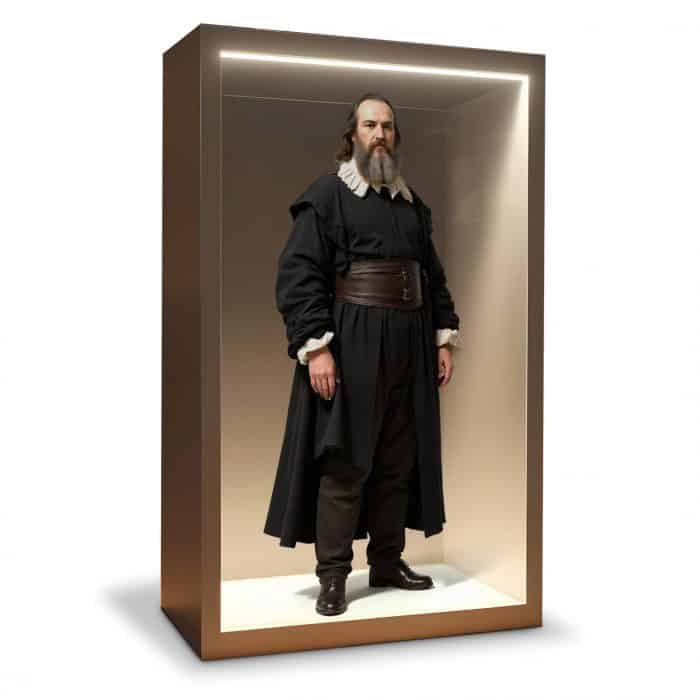
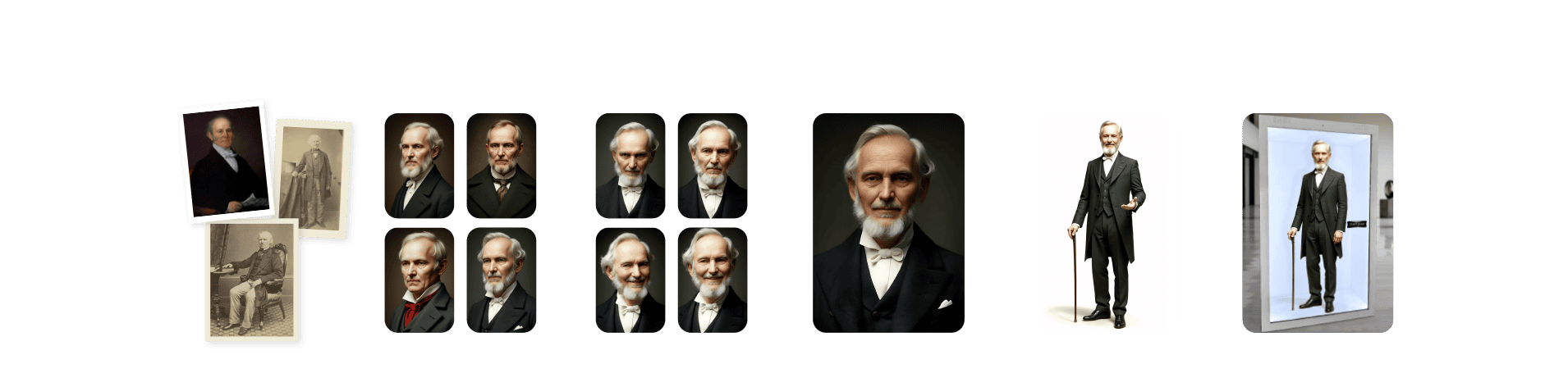
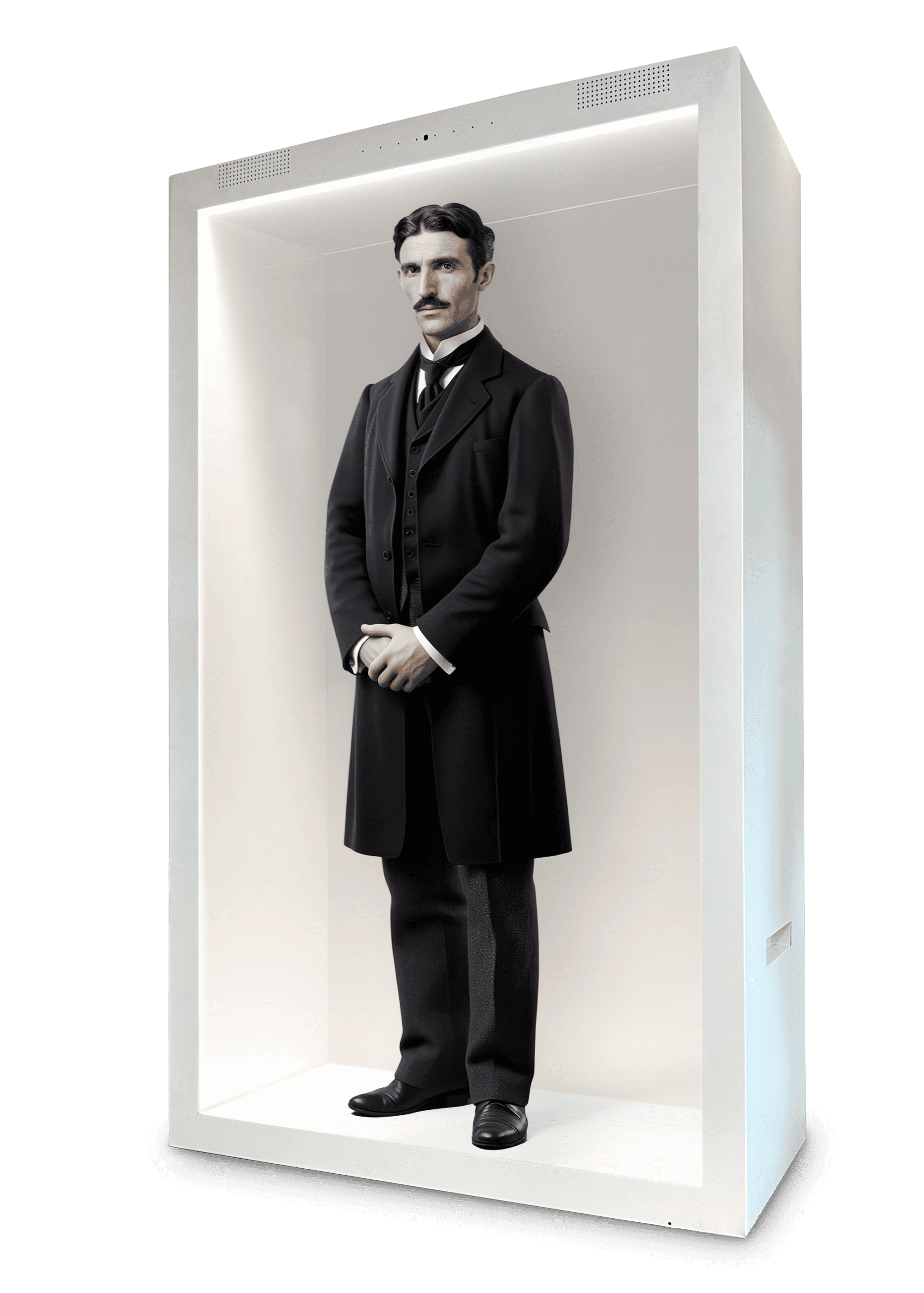
Ailias focuses on interactive, full-body digital humans and Holographic avatars powered by conversational AI.
Key strengths:
Best suited for:
Hypervsn is a globally recognised provider of 3D holographic fans, widely used in retail and digital signage.
Key strengths:
Best suited for:
You can compare this approach with AI-driven alternatives in our Hypervsn alternative guide
Holoconnects is known for its Holobox system, a life-size holographic display platform used globally.
Key strengths:
Best suited for:
You can explore how this compares to AI-powered solutions in our guide to a Holobox alternative.
Proto Hologram combines hardware, AI and spatial computing to create live and AI-driven holographic experiences.
Key strengths:
Best suited for:
You can explore how this compares to AI-driven solutions in our guide to a Proto hologram alternative.
Miirage focuses on AI-powered holographic avatar assistants combined with scalable display networks.
Key strengths:
Best suited for:
The best provider depends on your goal—not just the technology.
The industry is moving from:
“visual display”
to
“interactive digital humans”
This shift is driven by:
If you’re exploring hologram companies in the UK and want to understand what’s possible for your specific use case, Ailias can help.
Whether you’re planning:
we can design a solution tailored to your objectives.
Several trends are driving interest in conversational hologram technology.
Modern audiences expect interactive experiences rather than passive displays. Technologies that combine conversation with immersive visuals create stronger engagement.
Recent developments in conversational AI allow digital humans to understand complex questions and respond naturally. This makes interactive hologram systems more practical than ever before.
Immersive display technologies are expanding rapidly across industries such as entertainment, retail and education. The global immersive display market will continue to grow as organisations adopt interactive experience technologies.
At Ailias, the technology powers the interaction — but the character creates the experience.
We design every hologram with a focus on realism, personality and performance, combining digital human design, voice development and behavioural modelling to create authentic, engaging interactions.
Because ultimately, the success of a conversational AI hologram depends on one thing:
how human it feels.
As digital identity technology evolves, increasingly human-like avatars and photo-realistic digital replicas are becoming central to how audiences experience digital interaction. Research from the World Economic Forum highlights how embodied digital entities that replicate human behaviour are enabling more immersive, intuitive and emotionally engaging experiences.
If you’re evaluating different hologram providers, you may find these guides helpful:
The best hologram company depends on your specific use case. Some providers specialise in visual display systems, while others focus on interactive AI-powered holograms. It’s important to choose a company aligned with your goals—whether that’s attention, engagement or storytelling.
Costs vary depending on the technology, scale and level of interaction. Display-based holograms may start from a few thousand pounds, while AI-powered interactive holograms can involve larger investments depending on the complexity of the project.
Holographic displays typically focus on visual presentation, while AI holograms enable real-time interaction and conversation. The right choice depends on whether your priority is visual impact or audience engagement.
For events, some companies specialise in high-impact visual displays, while others offer interactive AI-driven experiences. The best option depends on whether you want to capture attention or actively engage your audience.
Yes. Holograms are increasingly used in retail for customer engagement and in museums for storytelling and education. AI-powered holograms are particularly effective where interaction is important.
Key factors include: type of technology (display vs interactive), level of engagement required, scalability, content capabilities, overall experience design
They serve different purposes. Traditional holograms are effective for visual impact, while AI holograms are better suited for interaction and engagement. The best choice depends on your objectives.
Come and meet us at the Museums & Heritage Show, Olympia, May 13-14