

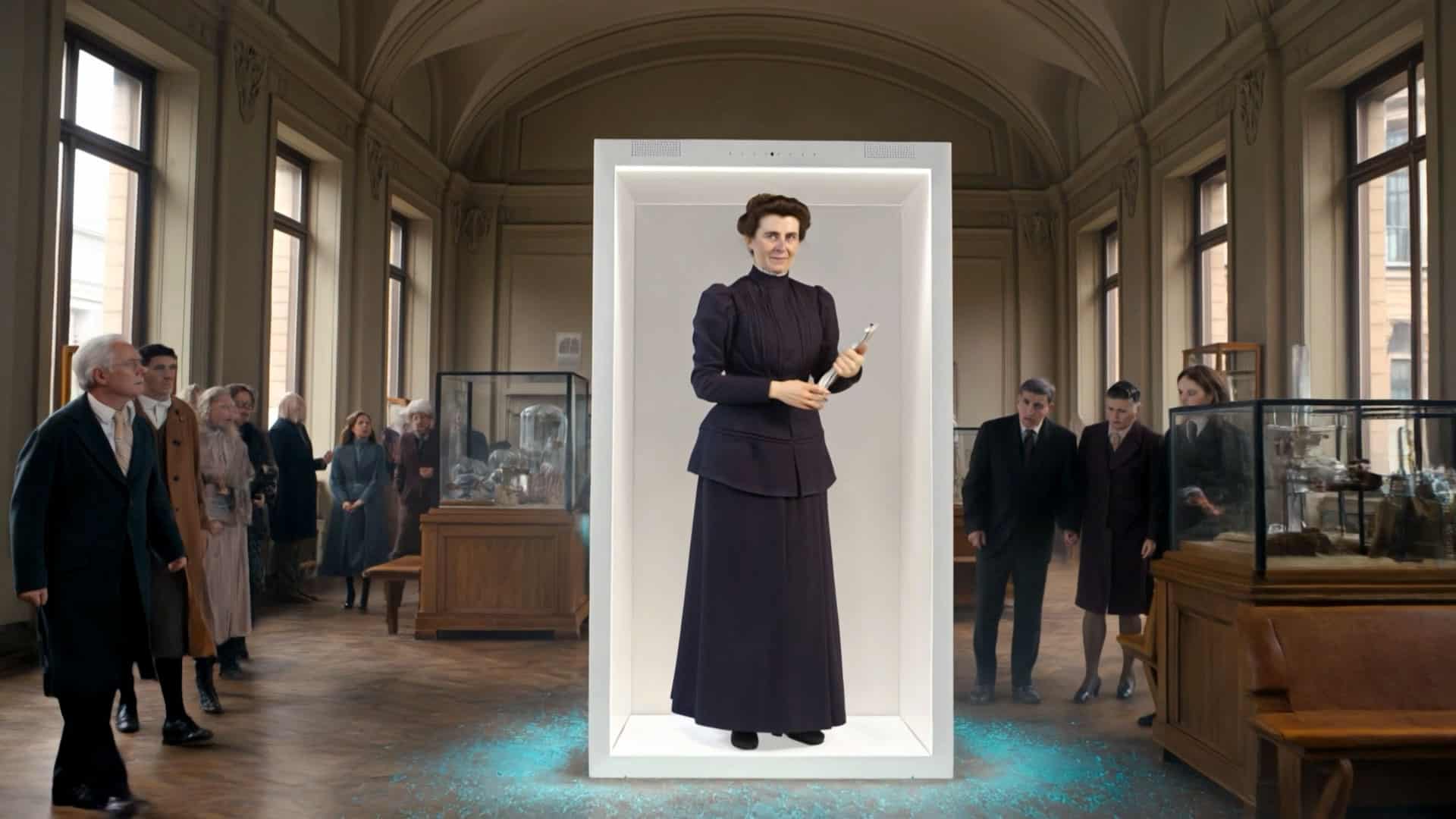
How Conversational AI Holograms Work
How Conversational AI Holograms Work:
Conversational AI holograms are rapidly becoming one of the most exciting technologies for creating interactive experiences in museums, events, retail environments and corporate spaces. Instead of static displays or prerecorded holographic videos, organisations can now deploy interactive AI holograms capable of real-time conversations with visitors.
This new generation of AI hologram assistants combines artificial intelligence, speech recognition, natural language processing, and holographic display technology to create digital humans that appear physically present and can answer questions naturally.
Many organisations first encounter holographic technology through display systems such as rotating hologram fans or projection displays. While these solutions can create visually striking effects, they typically rely on pre-recorded content and cannot respond to visitors.
Conversational AI holograms take holographic experiences to the next level by allowing audiences to speak directly with a holographic digital human.
Understanding how conversational AI holograms work helps explain why they are quickly becoming one of the most powerful tools for audience engagement.
What Is a Conversational AI Hologram?
A conversational AI hologram is a life-size digital human displayed through holographic technology and powered by artificial intelligence that enables real-time conversation.
Unlike traditional hologram displays that play scripted content, conversational hologram technology allows visitors to ask questions and receive immediate responses.
These systems combine multiple technologies into a single interactive experience.
Key components include:
- conversational AI engines
- speech recognition systems
- AI voice synthesis
- holographic projection displays
- animation and facial motion systems
- knowledge databases
Together these technologies create a real-time AI hologram assistant capable of interacting naturally with people.
Instead of pressing buttons or navigating menus, visitors simply speak to the hologram as they would to another person.
This natural interaction is what makes interactive AI holograms far more engaging than traditional displays.
The Core Technologies Behind Conversational AI Holograms
To understand conversational hologram technology fully, it helps to break down the major components that make the system work.
1. Conversational AI and Natural Language Processing
The brain of a conversational AI hologram is the conversational AI system.
This technology uses natural language processing (NLP) and large language models to understand human speech and generate meaningful responses.
When a visitor asks a question, the AI system performs several steps:
- Convert speech into text
- Analyse the meaning of the question
- Search its knowledge base
- Generate an appropriate response
Because modern conversational AI systems can process complex language patterns, the interaction feels natural and fluid.
This technology enables a conversational AI human hologram to discuss topics, explain information, and answer follow-up questions.
2. Speech Recognition and Voice Interaction
Speech recognition is the technology that allows the AI hologram to understand spoken questions.
Microphones capture a visitor’s voice and convert it into text that the AI system can analyse.
Once the AI generates a response, the system uses AI voice synthesis to convert text back into speech.
This allows the holographic digital human to speak naturally with visitors.
Advanced systems can even use voice cloning, allowing the hologram to speak in the voice of a historical character, brand ambassador, or presenter.
3. Knowledge Base and Content Training
Conversational AI holograms rely on a structured knowledge base that contains the information the hologram will discuss.
For example:
Museums
The knowledge base may include historical documents, timelines, biographies and exhibition content.
Events and Exhibitions
The AI may be trained on product details, company information, and presentation materials.
Retail
The hologram can access product catalogues, promotions and store information.
This training ensures that the AI hologram assistant provides accurate and consistent responses.
Organisations can update the knowledge base whenever new information becomes available.
4. Holographic Display Technology
The visual element of conversational holograms is delivered through holographic display systems.
These systems create the illusion of a three-dimensional human standing inside a display environment.
Different technologies can be used, including:
- reflective holographic displays
- projection-based holographic illusions
- volumetric display systems
These displays create the appearance of a life-size digital human hologram that can make eye contact and move naturally.
This visual realism is what makes holographic characters so compelling.
5. Real-Time Character Animation
To make a hologram feel lifelike, the digital character must move naturally.
This requires advanced animation systems that synchronise:
- facial expressions
- lip movements
- eye contact
- body gestures
When the AI generates speech, the character animation system automatically synchronises mouth movement and expressions with the voice.
The result is an AI holographic assistant that behaves like a real presenter.
Interactive AI Holograms vs Traditional Hologram Displays
Many organisations exploring hologram technology initially encounter display systems designed primarily for visual impact.
For example, rotating LED hologram fans or projection displays are commonly used for advertising and signage.
While these displays create eye-catching visuals, they are fundamentally different from conversational AI holograms.
Traditional Hologram Displays
- prerecorded content
- no audience interaction
- limited storytelling capability
- primarily visual marketing tools
Conversational AI Holograms
- real-time conversations
- AI-powered responses
- interactive audience engagement
- adaptive knowledge systems
Because of these capabilities, conversational AI holograms are becoming a preferred solution for organisations that want interactive experiences rather than passive displays.
Industries Using Conversational AI Holograms
The ability to deliver interactive communication in physical spaces has created opportunities across many industries.
Museums and Cultural Attractions
Museums are using AI human holograms to bring historical figures back to life.
Visitors can speak with a holographic character representing a historical figure, asking questions about events, discoveries or daily life.
This transforms traditional exhibits into immersive storytelling experiences.
Events and Exhibitions
Trade shows and exhibitions are highly competitive environments where attracting attention is essential.
An interactive AI hologram presenter can greet visitors, deliver presentations, and answer questions about products or services.
Because holograms are visually striking, they naturally draw crowds to exhibition stands.
Retail and Customer Experience
Retail environments are experimenting with AI hologram retail assistants that welcome customers and explain products.
These assistants can also provide multilingual support, making them particularly useful in international shopping environments.
Corporate Communication
Businesses are exploring conversational AI holograms for internal communication, training and presentations.
A holographic digital human representing a company leader can deliver consistent messages to employees across multiple locations.
Why Conversational AI Holograms Are Growing Rapidly
Several trends are driving the rapid adoption of conversational hologram technology.
1. Demand for Interactive Experiences
Modern audiences expect interactive experiences rather than passive displays.
2. Advances in Artificial Intelligence
Recent improvements in conversational AI systems allow digital humans to communicate far more naturally.
3. Immersive Technology Adoption
Organisations are increasingly investing in immersive technologies that create memorable experiences.
Together, these trends are making interactive AI holograms one of the most exciting developments in digital communication.
The Future of Conversational AI Hologram Technology
The capabilities of conversational AI holograms are expanding quickly.
Future developments are expected to include:
- more realistic digital human rendering
- emotion recognition during conversations
- deeper knowledge integration
- advanced multilingual communication
These advances will make AI hologram assistants even more lifelike and capable of delivering complex interactions.
As the technology evolves, conversational AI holograms will likely become common in environments where organisations need to communicate with large numbers of people.
Discover Conversational AI Holograms from Ailias
Ailias develops interactive conversational AI holograms designed for museums, events, retail environments and corporate spaces.
Our systems combine advanced conversational AI with immersive holographic displays to create digital humans that audiences can speak with naturally.
These AI hologram assistants can:
- tell stories
- answer questions
- guide visitors
- present information
- represent brands
By combining artificial intelligence with holographic technology, Ailias enables organisations to create powerful interactive experiences that engage audiences and deliver information in a memorable way.
Frequently asked questions
A conversational AI hologram is a digital human displayed through holographic technology that can speak and respond to questions in real time using artificial intelligence.
An AI hologram assistant combines speech recognition, conversational AI, voice synthesis and holographic display technology to create an interactive digital human capable of conversation.
They are used in museums, events, exhibitions, retail environments and corporate presentations to provide interactive communication and storytelling.
