

Digital Humans vs AI Avatars: What’s the Difference? (2026 Guide)
Digital Humans vs AI Avatars: What’s the Difference?
As AI-driven experiences become more common in business, terms like “digital humans” and “AI avatars” are often used interchangeably. However, while they are closely related, they are not exactly the same.
Understanding the difference is important for businesses looking to invest in interactive technology—particularly for customer engagement, events, and retail environments.
What Is a Digital Human?
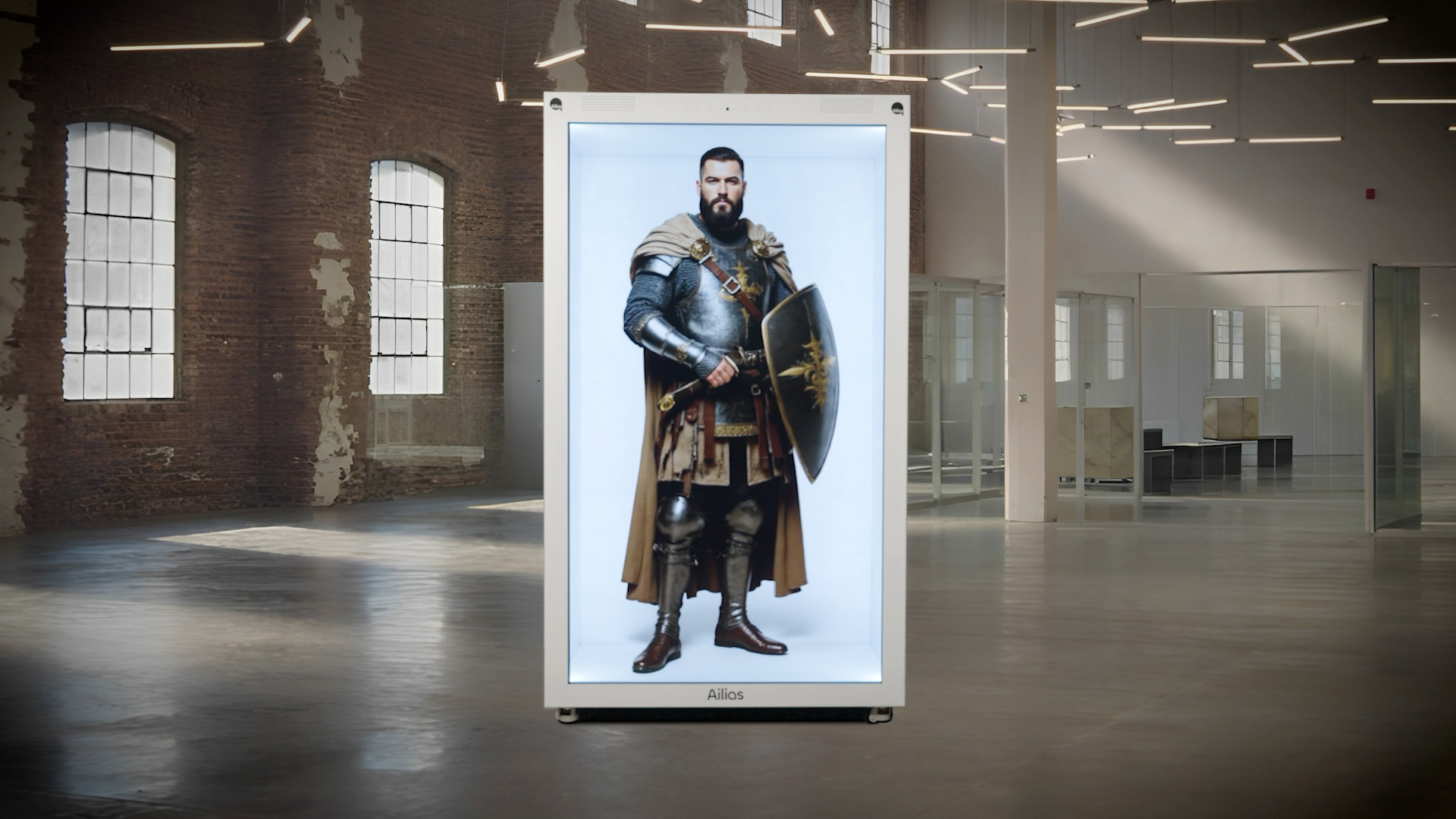
A digital human is a highly realistic, human-like character designed to replicate the appearance, voice, and presence of a real person.
Digital humans focus on:
- Visual realism
- Human-like behaviour
- Believable presence
They are often used in:
- Brand storytelling
- marketing content
- high-impact visual experiences
Explore our digital humans to see how these are created and used in real-world environments.
What Is an AI Avatar?
An AI avatar is a digital character powered by conversational AI, designed to interact with users in real time.
AI avatars focus on:
- Interaction
- conversation
- real-time responsiveness
They are used in:
- customer engagement
- events and exhibitions
- retail environments
Learn more about AI avatars for business and how they are applied across industries.
Key Differences Between Digital Humans and AI Avatars
While there is overlap, the key difference lies in purpose and capability.
Digital Humans
- Focus on appearance and realism
- Often pre-rendered or scripted
- Designed to be seen
AI Avatars
- Focus on interaction and communication
- Powered by conversational AI
- Designed to be used
In practice, the most effective solutions combine both:
High-quality digital humans powered by AI avatars
Why the Distinction Matters for Businesses
For businesses, the difference is not just technical—it directly impacts outcomes.
A visually impressive digital human may attract attention, but without interaction it has limited ability to:
- engage users
- answer questions
- support decision-making
AI avatars, on the other hand, enable:
- real-time engagement
- personalised communication
- measurable interaction
This is particularly important in:
- events
- retail environments
- customer-facing spaces
Where Digital Humans Work Best
Digital humans are most effective in scenarios where:
- Visual impact is the priority
- Messaging is controlled
- Interaction is not required
Examples include:
- brand campaigns
- promotional content
- video experiences
Where AI Avatars Work Best
AI avatars are most effective where interaction is required.
This includes:
- exhibitions and trade shows
- retail environments
- customer engagement scenarios
In these environments, the ability to:
- respond in real time
- guide users
- provide information
…makes a significant difference to engagement and outcomes.
Combining Digital Humans and AI Avatars
The most advanced solutions combine:
- The realism of digital humans
- The intelligence of AI avatars
This creates a digital character that:
- looks believable
- responds naturally
- engages effectively
This is the approach taken by Ailias.
What to Look for When Choosing a Solution
When evaluating digital human or AI avatar solutions, consider:
- Does it support real-time interaction?
- Is the visual quality high enough for your brand?
- Can it be deployed in your environment?
- Does it support your commercial objectives?
These factors are more important than terminology alone.
Where Ailias Fits
Ailias combines:
- High-quality digital human design
- Conversational AI
- Real-world deployment
This allows businesses to create experiences that are:
- visually engaging
- interactive
- commercially effective
Explore how this works in:
Conclusion
Digital humans and AI avatars are closely related, but they serve different purposes.
- Digital humans focus on appearance and presence
- AI avatars focus on interaction and communication
For most business applications, the most effective approach is a combination of both—creating experiences that are not only seen, but actively engaged with.
Frequently Asked Questions About Digital Humans and AI Avatars
No. Digital humans focus on realism and appearance, while AI avatars focus on interaction and conversation.
AI avatars are generally more effective for engagement, while digital humans are useful for visual impact.
Yes, when combined with conversational AI, digital humans can become fully interactive AI avatars.
They are used in events, retail, customer engagement, and corporate environments.
They can be deployed across various formats, including screens, kiosks, and hologram systems.
They are particularly effective for:
Technology products, Automotive, Fashion and luxury, Experiential retail environments
Timelines vary depending on the level of customisation and complexity.