


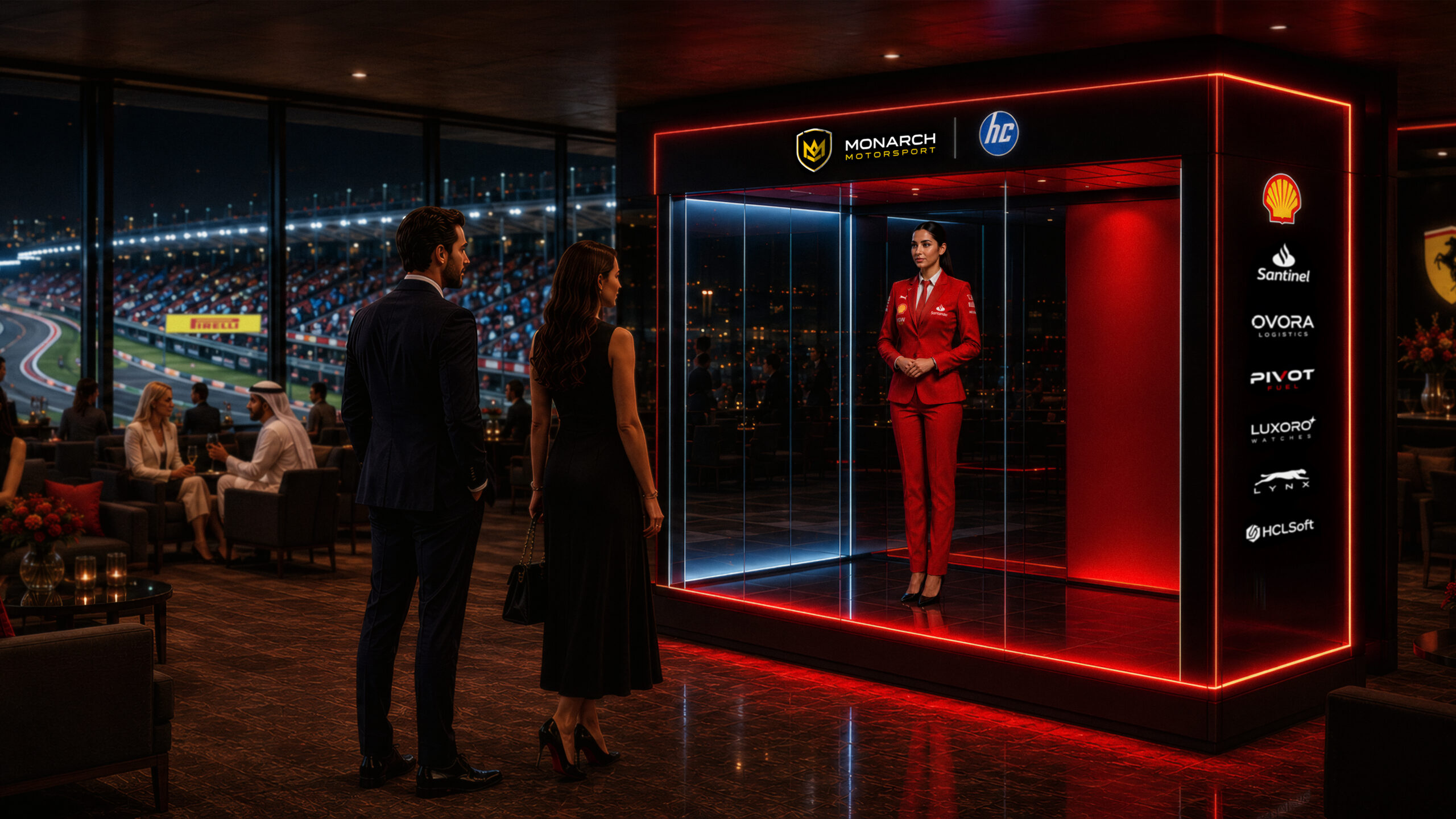
The Future of AI in Luxury Hospitality | Immersive Guest Experiences
The Future of AI in Luxury Hospitality
Luxury hospitality has always evolved alongside guest expectations.
From personalised concierge services and immersive interior design to smart room technology and digital guest communication, hospitality brands continuously look for ways to create experiences that feel more memorable, seamless and emotionally engaging.
Now, conversational AI and immersive digital experiences are beginning to shape the next stage of that evolution.
Across luxury hotels, resorts and premium guest environments, hospitality brands are increasingly exploring how AI-powered interaction can support communication, improve engagement and create experiences guests genuinely remember long after their stay has ended.
Hospitality Is Becoming Increasingly Experience-Led
Modern hospitality is no longer defined solely by accommodation or service delivery.
Increasingly, luxury venues compete through:
- atmosphere,
- memorability,
- guest interaction,
- and experience design.
Guests expect environments that feel immersive, personalised and distinctive from the moment they arrive. As a result, hospitality brands are exploring new ways to create interaction that feels more engaging than traditional digital displays or static communication systems.
This is one reason immersive conversational experiences are becoming increasingly relevant within luxury hospitality environments.
Why Conversational AI Is Gaining Attention in Hospitality
Conversational AI introduces something traditional hospitality technology often lacks:
natural interaction.
Instead of navigating menus or passively consuming information, guests can communicate directly with immersive digital experiences capable of responding dynamically in real time.
This creates opportunities to:
- support guest communication more naturally,
- improve accessibility,
- deliver multilingual interaction,
- and create more memorable engagement throughout the customer journey.
For hospitality brands focused on premium guest experience, this shift is becoming increasingly important. Luxury hospitality brands are increasingly exploring immersive AI concierge experiences capable of creating more natural and engaging guest interaction.
Natural conversational interaction also feels significantly more human and emotionally engaging than conventional touchscreen or kiosk-based systems.
The Importance of Immersive Guest Experiences
Luxury hospitality increasingly revolves around emotional impact.
Guests remember experiences that feel:
- visually distinctive,
- immersive,
- interactive,
- and socially shareable.
This is where immersive digital experiences begin to create genuine value.
Interactive conversational environments can help hospitality brands:
- attract attention,
- encourage guest interaction,
- support storytelling,
- and strengthen brand perception through memorable engagement.
Importantly, the most effective experiences feel integrated naturally within the environment itself rather than appearing as standalone pieces of technology. Some hospitality brands are also beginning to explore immersive branded interaction as part of wider guest engagement and experiential marketing strategies.
Why Visual Realism Matters
Presentation quality plays a major role within premium hospitality environments.
Guests instinctively respond more positively to experiences that feel refined, believable and visually polished. Poorly designed AI characters or generic avatars can quickly reduce the perceived quality of the experience.
This is one reason realistic immersive experiences and human-like AI interaction are becoming increasingly important within luxury hospitality. Realistic immersive experiences help create interaction that feels significantly more believable and emotionally engaging for guests.
Advanced digital presentation helps create interaction that feels:
- more natural,
- more premium,
- and more emotionally engaging for guests.
For hospitality brands, realism is not simply aesthetic. It directly influences how the experience itself is perceived. Advanced digital humans are becoming increasingly important within hospitality environments focused on premium guest engagement and immersive communication.
Multilingual Guest Engagement Is Becoming Essential
International hospitality environments increasingly serve guests from a wide range of countries, languages and cultural backgrounds.
As hospitality brands continue expanding globally, multilingual interaction is becoming significantly more important across:
- luxury hotels,
- resorts,
- entertainment venues,
- and tourism-focused environments.
Conversational AI experiences capable of supporting multilingual communication can help create more accessible and inclusive guest interaction while also improving the overall visitor experience.
This is particularly valuable within environments where clear communication and guest engagement directly influence customer satisfaction.
AI Hospitality Experiences Must Feel Human
One of the biggest challenges within hospitality technology is maintaining warmth, personality and emotional connection.
Guests do not want interaction to feel robotic or transactional. The most successful hospitality experiences are those that feel welcoming, intuitive and emotionally natural.
This is why immersive conversational experiences are increasingly moving toward:
- realistic digital presentation,
- natural conversation,
- emotionally intelligent interaction,
- and experience-led design.
Technology alone is rarely enough. Within hospitality, the experience surrounding the technology matters just as much.
Hospitality Technology Is Moving Beyond Static Displays
Traditional digital signage and hospitality information systems are becoming increasingly limited in their ability to create memorable engagement. Many hospitality venues are now exploring immersive conversational experiences that allow guests to interact naturally rather than passively consuming information.
Modern hospitality brands are beginning to explore more dynamic forms of interaction capable of:
- adapting conversationally,
- presenting information naturally,
- and encouraging active guest participation.
Immersive AI-driven experiences allow hospitality venues to move beyond passive communication and create environments that feel significantly more interactive and engaging.
As guest expectations continue evolving, conversational interaction is likely to become increasingly common across premium hospitality environments.
How Ailias Approaches Immersive Hospitality Experiences
Ailias combines conversational AI, immersive digital presentation and experience-led interaction design to create memorable hospitality engagement tailored for real-world environments.
Rather than focusing solely on technical capability, Ailias prioritises:
- realism,
- emotional engagement,
- intuitive interaction,
- and premium visual presentation.
Experiences can incorporate:
- multilingual communication,
- immersive conversational workflows,
- supporting visual media,
- gesture-enabled interaction,
- and bespoke guest engagement journeys designed around the venue itself.
The objective is not simply to display technology, but to create experiences guests genuinely remember and talk about afterwards.
Hospitality brands exploring immersive guest engagement are also increasingly looking at conversational digital experiences and immersive customer interaction as part of broader experience-led strategies.
Hospitality is becoming one of many industries exploring immersive AI engagement systems for business, designed to improve real-world communication and customer interaction.
The Future of Luxury Hospitality
Luxury hospitality is steadily moving toward more immersive, personalised and interactive guest experiences.
As venues continue competing on:
- memorability,
- engagement,
- and premium experience quality,
conversational AI and immersive digital interaction are likely to become increasingly important within hospitality environments worldwide.
Research from Gartner and Forrester Research continues to highlight growing investment in conversational technologies, immersive customer engagement and experience-led digital interaction.
The future of hospitality is unlikely to revolve around technology alone. It will revolve around how effectively technology enhances human experience.
Conclusion
Hospitality is entering a new era of immersive guest engagement.
As guest expectations continue evolving, conversational AI and immersive digital experiences offer hospitality brands new opportunities to create interaction that feels:
- more memorable,
- more emotionally engaging,
- and more distinctive within increasingly competitive markets.
The hospitality brands that succeed in the coming years are likely to be those that combine technology, storytelling and experience design in ways that feel natural, premium and genuinely human.
Frequently Asked Questions
Luxury hospitality brands are increasingly exploring conversational AI, immersive guest engagement and multilingual digital interaction to improve communication and create more memorable guest experiences.
Immersive hospitality experiences combine technology, interaction and environment design to create guest experiences that feel more engaging, interactive and emotionally memorable.
Conversational AI allows guests to interact naturally with digital experiences in real time, creating more engaging communication than traditional static displays or information systems.
Yes. Modern conversational AI experiences can support multiple languages, helping hospitality venues communicate more effectively with international guests.
Guests respond more positively to immersive experiences that feel believable, visually polished and emotionally natural. Realism significantly influences how premium hospitality technology is perceived.