

Interactive Holograms vs LED Displays: What’s Best for Events and Exhibitions?
Interactive Holograms vs LED Displays: What’s Best for Events and Exhibitions?
When planning an exhibition stand or live event activation, one of the biggest decisions is choosing the right display technology. Two of the most popular options today are LED displays and interactive holograms—but they serve very different purposes.
Understanding the strengths of each can help brands choose the right solution for engagement, visibility, and return on investment.
What Are LED Displays?
LED displays are high-resolution digital screens used to showcase video, motion graphics, and branded content. They are widely used across events due to their brightness, scale, and reliability.
They are particularly effective for:
- Broadcasting content to large audiences
- Creating visually impactful backdrops
- Delivering controlled, repeatable messaging
Companies like Samsung and LG continue to push LED display innovation, making them a staple of modern event production.
What Are Interactive Holograms?
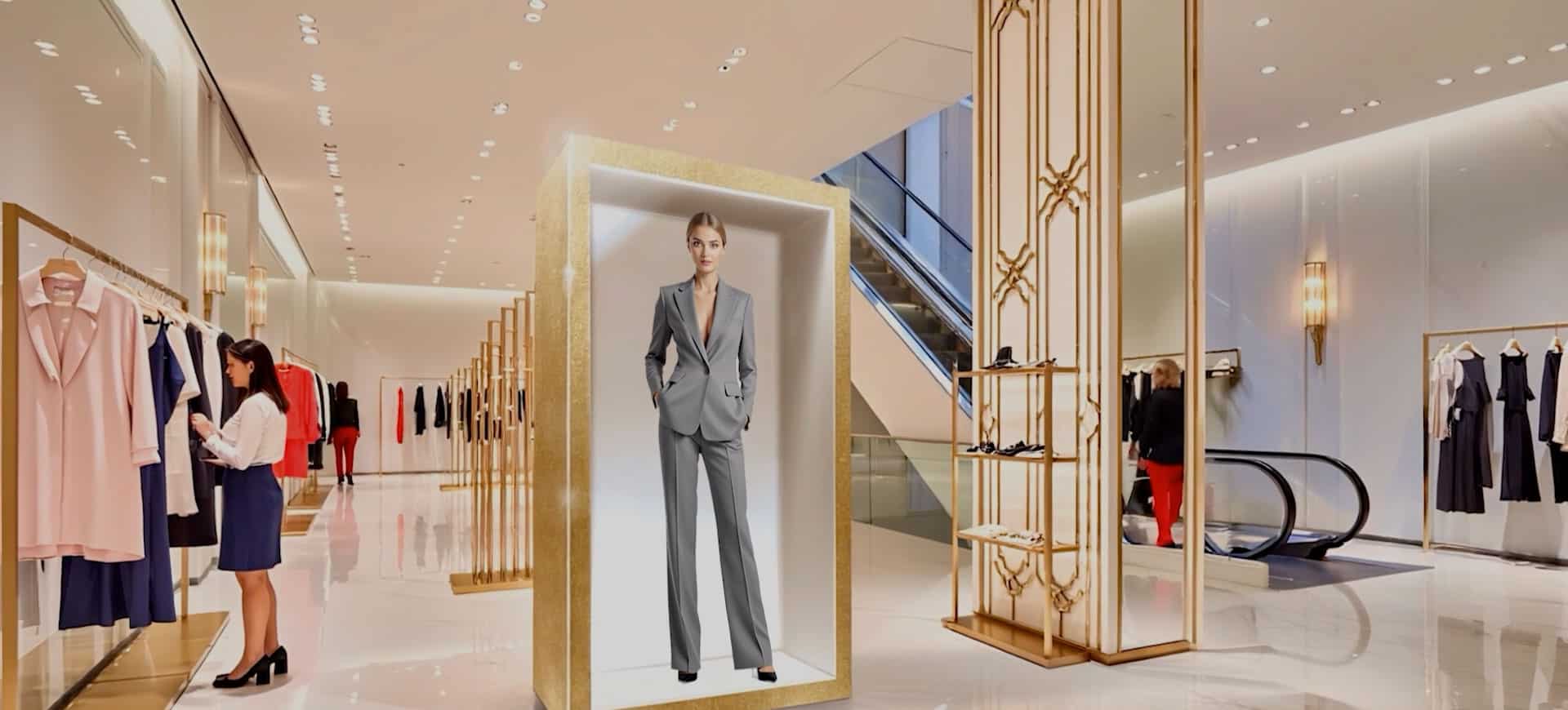
Interactive holograms combine visual display technology with AI-driven conversation, allowing users to engage directly with digital human avatars.
Unlike LED screens, holograms are not just viewed—they are experienced.
They enable:
- Real-time interaction
- Personalised responses
- Immersive storytelling
This approach builds on advances in digital human technology driven by organisations like NVIDIA.
For a deeper explanation, see our guide to hologram technology.
Key Differences Between LED Displays and Holograms
1. Engagement vs Visibility
- LED Displays: High visibility, passive engagement
- Holograms: Moderate visibility, high engagement
LED screens are excellent for attracting attention at scale, but holograms are far more effective at keeping that attention and turning it into interaction.
2. Passive Content vs Interactive Experience
LED displays deliver pre-produced content.
Holograms allow users to:
- Ask questions
- Explore information
- Engage in real-time dialogue
This makes holograms far more suited to complex products or services.
3. Lead Generation Capability
LED displays:
- Limited direct interaction
- Rely on follow-up engagement
Interactive holograms:
- Can qualify visitors
- Capture data
- Guide users through a sales journey
This is where holograms shift from marketing asset to sales tool.
4. Differentiation at Events
With LED screens now standard across most exhibitions, standing out has become harder.
Holograms—especially conversational AI holograms—offer a more distinctive and memorable experience compared to solutions typically seen from providers like Hypervsn.
When to Use LED Displays
LED displays are ideal when you need to:
- Communicate with large audiences
- Showcase high-quality video content
- Create visual impact at scale
They are best used as part of a broader event environment, rather than as the sole engagement tool.
When to Use Interactive Holograms
Interactive holograms are the better choice when your goal is to:
- Drive engagement
- Explain complex products
- Capture leads
- Create memorable interactions
They are particularly effective for:
- Exhibitions
- Product demonstrations
- Retail activations
Explore how this works in practice on our interactive holograms for events and exhibitions page.
Can You Use Both Together?
Yes—and this is often the most effective strategy.
- LED displays attract attention from a distance
- Holograms convert that attention into interaction
This combination creates a full engagement funnel within a single stand or space.
The Future of Event Technology
As events become more competitive, brands are shifting toward technologies that not only attract attention but also deliver measurable outcomes.
According to Gartner, interactive and AI-driven experiences are becoming central to customer engagement strategies.
This is driving increased adoption of:
- AI holograms
- Digital humans
- Interactive brand experiences
Choosing the Right Technology for Your Event
The choice between LED displays and holograms depends on your objectives:
- Awareness: LED displays
- Engagement: Holograms
- Lead generation: Holograms
- Scale: LED displays
- Differentiation: Holograms
For most brands, the best results come from combining both strategically.
Conclusion: From Attention to Interaction
LED displays remain a powerful tool for visibility, but they are no longer enough on their own.
Interactive holograms represent the next step—transforming passive audiences into active participants and turning event presence into measurable business outcomes.
Why AI Holograms Are Effective at Events and Exhibitions
1. They Stop Traffic
At busy exhibitions, the biggest challenge is simply getting noticed. Holograms create immediate visual impact, drawing visitors toward your stand.
Compared to traditional solutions offered by companies like Hypervsn, AI holograms go further by adding interaction, not just visual spectacle.
2. They Drive Real Engagement
Rather than passive viewing, visitors can:
- Ask questions
- Explore products
- Interact in real time
This level of engagement significantly increases dwell time and message retention.
3. They Deliver Consistent Messaging at Scale
AI holograms can repeat key messages perfectly, every time. This is particularly valuable when compared to live presenters or staff who may vary in delivery.
Platforms such as Proto Inc have demonstrated the demand for scalable communication tools, but conversational AI adds a further layer of personalisation and responsiveness.
4. They Support Lead Generation
Interactive holograms can be integrated into the sales process by:
- Qualifying visitors
- Capturing data
- Directing users to next steps
This turns a visual attraction into a functional sales tool.
Use Cases for AI Holograms at Events
AI holograms are already being deployed across a wide range of environments:
- Trade shows and exhibitions
- Product launches
- Retail activations
- Corporate events
They are particularly effective in sectors where products are complex or difficult to demonstrate physically.
For more examples, explore our interactive holograms for events and exhibitions page.
How AI Holograms Compare to Traditional Event Technology
Traditional event technology often relies on:
- Video loops
- Touchscreens
- Static displays
While these still have value, they lack the ability to interact dynamically with users.
AI holograms combine:
- Visual impact (like holographic displays)
- Interactivity (like digital interfaces)
- Intelligence (through AI conversation)
This creates a significantly more engaging and effective experience.
The Future of Event Engagement
As AI continues to evolve, digital humans and holograms are expected to become a standard part of event and retail experiences.
According to Gartner, immersive technologies and AI-driven interfaces are key trends shaping the future of customer interaction.
Brands that adopt early will benefit from:
- Stronger differentiation
- Higher engagement rates
- More effective storytelling
Bringing AI Holograms Into Your Event Strategy
Implementing an AI hologram experience doesn’t need to be complex. The key is to focus on:
- Clear messaging
- Defined user journeys
- Strong visual execution
At Ailias, we design interactive AI hologram experiences specifically for events, exhibitions and customer engagement—helping brands turn attention into action.